
Hair Transplant – Procedure, Cost & Results

A hair transplant is one of the most effective solutions for restoring hair loss, offering natural and long-lasting results when performed correctly. Advances in modern techniques have made the procedure more precise, minimally invasive, and widely accessible.

This guide explains how hair transplantation works, who it is suitable for, and what to expect before, during, and after the procedure.

What Is a Hair Transplant?

A hair transplant is a medical procedure used to restore hair in areas affected by hair loss. During the procedure, healthy hair follicles are taken from the back or sides of the scalp (the donor area) and implanted into areas where hair is thinning or missing. Because these follicles are genetically resistant to dihydrotestosterone (DHT), the hormone responsible for pattern hair loss, the results are typically long-lasting.

Hair transplants are most commonly used to treat androgenetic alopecia in both men and women. This form of hair loss follows a predictable pattern, making it suitable for surgical restoration. In addition, hair transplants can be used to restore hair in areas affected by trauma, burns, or previous surgical procedures.

Unlike temporary solutions such as medications or cosmetic treatments, a hair transplant offers a permanent redistribution of existing hair. However, it does not stop ongoing hair loss in untreated areas, which is why long-term planning is an important part of the process.

How Does a Hair Transplant Work?

A hair transplant works by redistributing existing hair rather than creating new hair. The key principle behind the procedure is that hair taken from the donor area will continue to grow even after being moved to another part of the scalp.

Each hair graft contains one to four hairs. These grafts are carefully extracted, preserved, and implanted into the recipient area. The placement of these grafts is critical. Factors such as angle, direction, and density determine how natural the final result will appear.

The process generally includes three main stages:

  • extraction of hair follicles from the donor area
  • preparation and sorting of grafts under controlled conditions
  • implantation into the recipient area

Modern techniques focus on minimizing damage to the grafts and maximizing survival rates. When performed correctly, the transplanted hair grows naturally and blends seamlessly with existing hair.

Types of Hair Transplant Methods (FUE, DHI & FUT)

Modern hair transplantation includes several techniques, each with different characteristics, advantages, and recovery profiles. The most widely used methods today are Follicular Unit Extraction (FUE) and Direct Hair Implantation (DHI), while older techniques such as Follicular Unit Transplantation (FUT) are less common.

Modern graft extraction

Follicular Unit Extraction (FUE)

FUE is a minimally invasive method in which individual hair follicles are extracted using a micro-punch tool. This technique does not require stitches and leaves only small, barely visible scars.

Because follicles are extracted individually, the procedure is more time-intensive but allows for precise harvesting. Recovery is generally faster, and patients can resume normal activities sooner compared to older methods.

Protected Follicles

Direct Hair Implantation (DHI)

DHI is an advanced variation of FUE. After extraction, follicles are implanted directly into the scalp using a specialized implantation tool. This allows for greater control over the depth, angle, and direction of each graft.

The main advantage of DHI is precision. It is particularly useful for creating natural hairlines and increasing density in specific areas.

Strip Surgery

Follicular Unit Transplantation (FUT)

FUT, also known as strip surgery, involves removing a strip of scalp from the donor area and dissecting it into individual grafts. While effective, it is used less frequently today due to longer recovery times and the presence of a linear scar.

Comparison of Methods

Hair transplant methods differ mainly in how follicles are extracted and implanted, as well as the level of precision and recovery time. FUE and DHI are the most commonly used techniques today because they are minimally invasive and allow for natural-looking results.

In general:

  • FUE is suitable for covering larger areas efficiently
  • DHI allows for more precise placement and higher density in targeted areas
  • FUT may still be used in specific cases but is less common due to scarring

The most appropriate method depends on the patient’s hair loss pattern, donor area, and desired outcome.

Who Is a Good Candidate for a Hair Transplant?

Not everyone is an ideal candidate for a hair transplant. Suitability depends on the type of hair loss, donor hair availability, and overall health.

The procedure is most effective for individuals with androgenetic alopecia, where hair loss follows a predictable pattern. These patients typically retain a stable donor area, which is essential for successful transplantation.

Candidates should also have:

  • sufficient donor hair density
  • realistic expectations about results
  • a stable pattern of hair loss

Hair transplants can also be used in cases of scarring or trauma, but results may vary depending on the condition of the scalp.

Age is an important consideration. In many cases, individuals over 25 are better candidates, as their hair loss pattern is more established. Younger patients may continue to lose hair, which can affect long-term results.

A professional consultation is necessary to evaluate these factors and determine the most appropriate approach.

Free Hair Transplant Assessment

If you are interested in our services please fill out the contact form. The experts of Cosmedica will contact you to provide you with Dr. Acar’s evaluation and consultation.

Hair Transplant Procedure: Step by Step

Hair transplant procedures are typically performed under local anesthesia and can take several hours, depending on the number of grafts.

The procedure begins with preparation of the donor area, which may include trimming or shaving the hair. Hair follicles are then extracted using the chosen method. Once extracted, the grafts are carefully prepared and stored to preserve their viability.

Depending on the technique, the surgeon will either create recipient sites before implantation or implant the grafts directly using specialized tools. The goal is to achieve a natural distribution of hair that matches the patient’s existing growth pattern.

Patients remain awake during the procedure but do not feel pain due to the anesthesia. Breaks may be provided during longer sessions.

Most patients can leave the clinic on the same day.

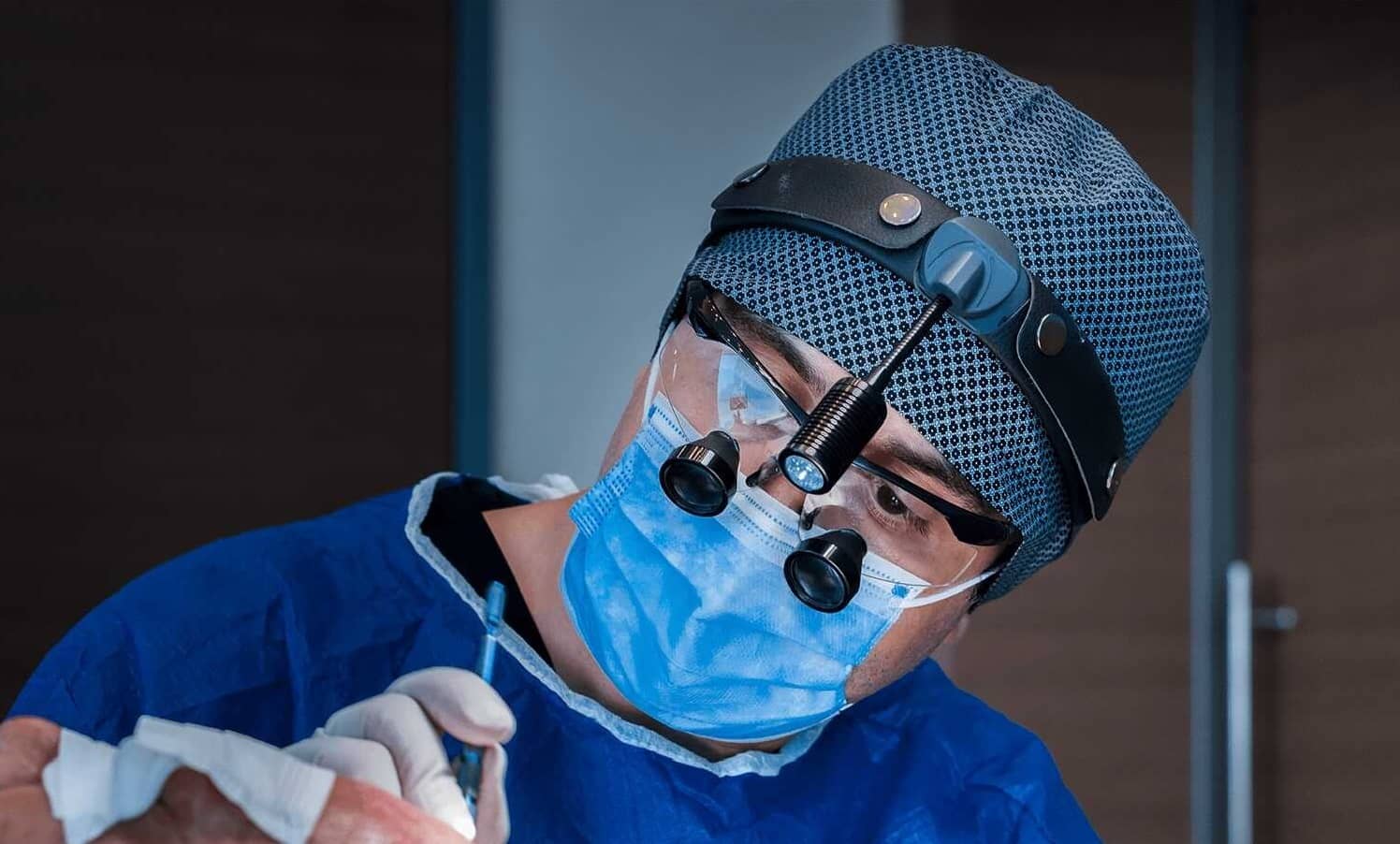
Doctor Acar performing a hair transplant surgery

Hair Transplant Recovery Timeline

Recovery after a hair transplant occurs gradually and requires patience. The healing process varies from person to person but generally follows a predictable timeline.

Immediately after the procedure, mild swelling, redness, and sensitivity are common. These symptoms typically subside within a few days.

During the first few weeks, the transplanted hairs often fall out. This phase, known as shock loss, is a normal part of the process and does not indicate failure.

New hair growth begins after several months and continues to improve over time.

man with full hair and full beard

Typical Recovery Timeline

  • First days: swelling, redness, and mild discomfort
  • First 2–3 weeks: shedding of transplanted hair
  • 3–4 months: early regrowth begins
  • 6–9 months: visible improvement in density
  • 12 months: final results develop

During the recovery phase, proper aftercare plays an important role in achieving optimal results. Patients are typically advised to avoid touching or scratching the scalp, as well as strenuous physical activity during the first days after the procedure.

Washing the hair usually begins a few days after surgery, following specific instructions provided by the clinic. Sun exposure, sweating, and wearing tight headwear should also be avoided during the early stages of healing.

Adhering to these guidelines helps protect the grafts and supports healthy hair growth.

Hair Transplant Risks and Side Effects

Hair transplant procedures are generally safe, but like any surgical treatment, they carry some risks. Most side effects are mild and temporary. These may include swelling, redness, itching, and temporary numbness in the treated areas.

Less common risks include:

Shock loss, where existing hair temporarily sheds, can also occur but usually resolves over time. Choosing an experienced clinic and following proper aftercare guidelines significantly reduces the likelihood of complications.

Hair Transplant Results: What to Expect

A hair transplant can provide natural-looking and permanent results. The transplanted hair behaves like normal hair and continues to grow over time.

However, outcomes vary depending on several factors, including donor hair quality, graft count, surgical technique, and individual healing response.

It is important to have realistic expectations. While significant improvement in coverage and density is possible, a hair transplant may not fully restore the original thickness of hair. Achieving higher density may require more than one session, particularly in cases of advanced hair loss. The goal of a hair transplant is to create a natural appearance rather than restore the exact density of original hair.

Hair characteristics such as thickness, color contrast, and curl pattern can also influence how full the final result appears. These factors are considered during planning to achieve the most balanced outcome.

Results develop gradually, with full outcomes typically visible after 12 months.

Hair Transplant Cost

The cost of a hair transplant depends on several factors, including the number of grafts required, the technique used, and the clinic’s location.

In general, larger procedures requiring more grafts will be more expensive. Advanced techniques and experienced surgeons may also influence pricing.

Hair transplant costs vary significantly by country, with some destinations offering more affordable treatment options compared to the US or UK. This has made countries like Turkey a popular destination for patients seeking high-quality treatment at a lower cost.

Hair Transplant FAQ

Is a hair transplant permanent?

Yes. Transplanted hair follicles are typically resistant to the hormone responsible for hair loss and continue to grow over time. However, natural hair loss may still occur in untreated areas, which is why long-term planning is important.

How painful is a hair transplant?

The procedure is performed under local anesthesia, so pain during the surgery is minimal. Patients may experience mild discomfort or tightness afterward, but this is usually temporary and manageable with medication.

How long does it take to see results?

Initial hair growth usually begins within 3 to 4 months after the procedure. Noticeable improvements develop over time, with full results typically visible after 9 to 12 months.

How many grafts are needed?

The number of grafts depends on the extent of hair loss, the size of the treatment area, and the desired density. A professional assessment is required to determine the appropriate number for natural-looking results.

Can women have hair transplants?

Yes. Hair transplants can be effective for women, especially in cases of pattern hair loss or thinning in specific areas. Suitability depends on factors such as donor hair availability and the type of hair loss.

Does transplanted hair fall out again?

The transplanted hair itself is generally permanent. However, surrounding non-transplanted hair may continue to thin over time, which can affect the overall appearance if not managed.

How long does a hair transplant procedure take?

The duration depends on the number of grafts and the technique used, but most procedures take between 4 and 8 hours. Larger sessions may take longer or be split into multiple days.

When can I return to normal activities?

Light daily activities can usually be resumed within a few days. More strenuous activities, including sports or heavy exercise, should typically be avoided for at least 2 to 3 weeks.

Will I need more than one hair transplant?

In some cases, additional sessions may be required to increase density or address further hair loss. This depends on individual goals and the progression of hair loss over time.

Can a hair transplant fail?

While uncommon, results can vary depending on factors such as graft survival, surgical technique, and adherence to aftercare instructions. Choosing an experienced clinic helps reduce this risk.

Request a Free Consultation

If you are considering a hair transplant, a professional consultation is the first step. An assessment helps determine suitability, expected results, and the most appropriate treatment approach.

Get an analysis and consultation with one of our hair transplant specialists.

EN Web Site - Form

  • This field is for validation purposes and should be left unchanged.
  • This field is hidden when viewing the form