Results depend on diagnosis and stability. Female pattern baldness tends to progress slowly and diffusely, which means we design conservative graft plans and blend coverage to enhance apparent hair density rather than chase isolated bald patches.
By contrast, alopecia areata is an autoimmune condition with unpredictable cycles of shedding and regrowth; because it can recur in previously treated skin, transplants are usually not recommended until the disease is fully quiescent and medically managed. Likewise, if shedding is driven by postpartum change, thyroid imbalance, iron deficiency, or traction, we’ll first address the cause.
Remember that a transplant redistributes—not creates—follicles. Strategic placement can thicken partings, restore hairlines, and camouflage thinning hair, but preserving existing hair is just as important.
We’ll discuss realistic timelines for growth, possible shock shedding, and how styling, PRP, or medications can support the transplanted hair. The aim is natural, age-appropriate improvement that still looks great years from now.
Questions to bring to your assessment
A medical assessment should come before choosing a technique or booking surgery. You can use these questions to understand the recommendation:
What is causing my thinning, and is further investigation needed?
Thinning in women has several possible causes, including female pattern hair loss, hormonal changes, thyroid conditions, iron or other nutritional deficiencies, medications and stress-related shedding. Some causes are treated medically rather than surgically, so the cause is usually identified first, sometimes with a scalp examination and blood tests.
Is there enough suitable donor hair for the proposed area?
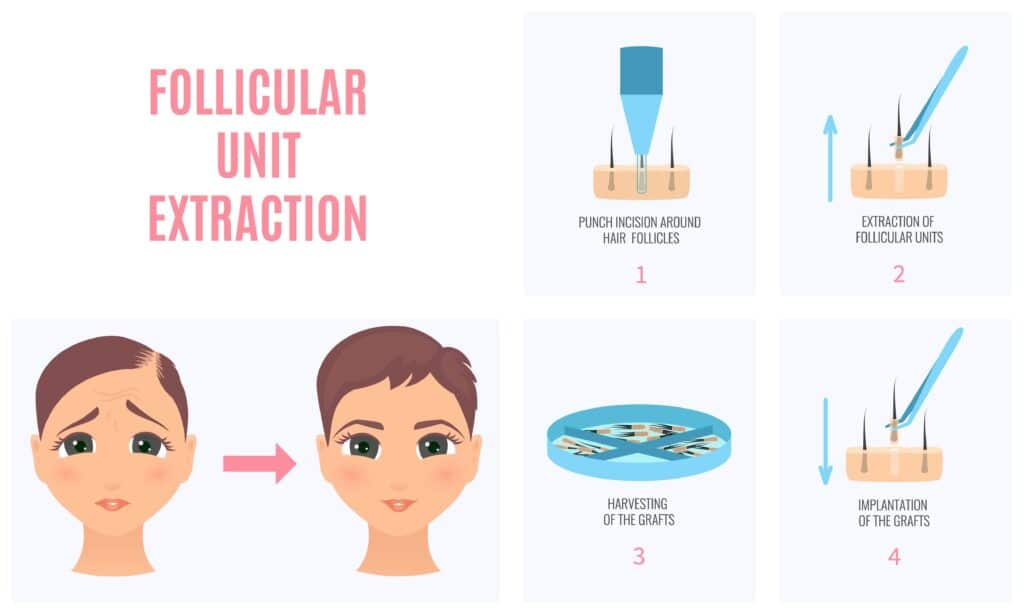
A transplant moves your own hair from a donor area, usually the back and sides of the scalp. In women, thinning can also affect the donor area, so the doctor checks whether donor hair is dense and stable enough to cover the area you want treated.
Should the cause of my hair loss be treated or monitored before surgery?
A transplant does not stop ongoing hair loss. If shedding is still active, the doctor may recommend treating or monitoring the cause first, and in some cases may advise against surgery.
What improvement is realistic, and what might a transplant not achieve?
A transplant can add density where hair is thin, but it cannot guarantee a specific result or restore the density you had years ago. Growth is gradual and can take many months, and the outcome depends on donor hair, hair type and the underlying cause.
How could continued thinning affect the long-term plan?
Female pattern hair loss can progress over time, so non-transplanted hair near the treated area may continue to thin. Ask whether the plan includes medical treatment to protect existing hair and whether additional sessions could be needed later.