



Medically reviewed by Dr. Levent Acar, MD
Founder & Lead Hair Transplant Surgeon
Updated on: September 11, 2026
Medically reviewed by Dr. Levent Acar, MD
Founder & Lead Hair Transplant Surgeon
Updated on: September 11, 2026
If you’re wondering how to sleep after a hair transplant, the answer is simple but important: protect the grafts for the first 7–10 nights.
Although modern FUE and DHI hair transplants are minimally invasive, they are still surgical procedures. Thousands of tiny recipient sites are created in the scalp, and newly implanted follicles need time to anchor securely. During the first few days, the grafts are delicate. Pressure, friction, swelling, or sudden movement can interfere with healing.
Sleeping correctly during this early period plays a direct role in protecting your results.
Why Sleeping Position Matters After a Hair Transplant
This is a sensitive phase of healing. If the transplanted area rubs against a pillow or mattress, the micro-incisions can become irritated and graft stability may be affected.
Until the grafts are securely anchored — typically within 7 to 10 days — avoiding pressure on the scalp is essential.
Direct contact during this time can:
- Dislodge newly placed grafts
- Increase post-operative swelling
- Delay healing
- Raise infection risk
These risks are highest in the first 72 hours and decrease gradually over the first week.
The Best Way to Sleep After a Hair Transplant (First 7–10 Days)
For the first week, follow these four principles:
- Sleep on your back
- Keep your head elevated at a 30–45° angle
- Use a U-shaped neck pillow
- Prevent the transplanted area from touching anything
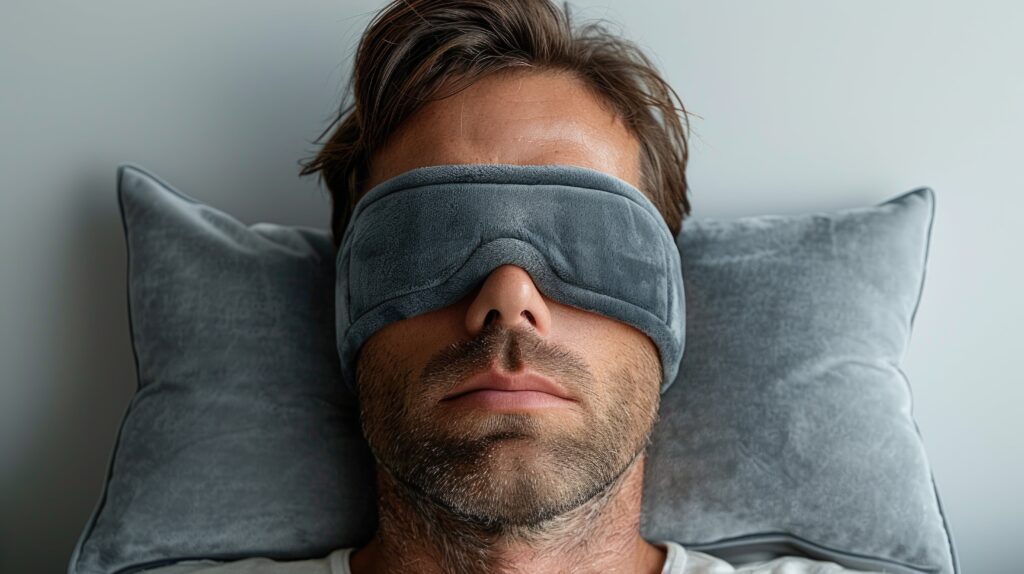
Sleeping on your back prevents pressure on both the donor and recipient areas. Elevating your head reduces fluid accumulation and helps minimise forehead swelling. Many patients find that sleeping in a recliner makes this easier, especially during the first few nights.
A travel-style neck pillow is strongly recommended. It stabilises your head and reduces the likelihood of rolling onto your side during sleep. Most patients should use a neck pillow for at least 7 to 10 days after a hair transplant. Some surgeons advise continuing for up to 14 days after the hair transplant for additional protection.
During the first few nights, place a clean disposable pad or towel over your pillow. This absorbs any minor drainage and keeps the environment hygienic. Change pillow coverings daily to reduce bacterial exposure.
If your clinic provides a compression headband to limit swelling, wear it as instructed during the first few days. If swelling develops, cold compresses may be applied to the forehead — but never directly on the transplanted area.
When Can You Sleep on Your Side After a Hair Transplant?
A common question is: when can I sleep on my side after hair transplant surgery?
In most cases, side sleeping can gradually resume after day 7, provided healing is progressing normally and scabs have begun to shed. However, you should still avoid placing direct pressure on the recipient area.

Turn slowly and avoid abrupt movements. If grafts were placed densely in the crown, your surgeon may recommend waiting slightly longer before resuming side sleeping.
Healing timelines vary depending on graft count, technique (FUE or DHI), and individual recovery. Always prioritise the personalised advice given by your surgeon.
When Can You Sleep Normally Again?
Most patients can return to their normal sleeping position between days 10 and 14.
By this stage:
- Grafts are typically securely anchored
- Scabbing has largely resolved
- Swelling has subsided
Although the follicles are stable, the scalp may remain mildly sensitive for a short time. Even after two weeks, avoid aggressive rubbing or strong friction against the scalp.
Below is a general guideline for sleeping after a hair transplant:
| Time After Surgery | Recommended Sleeping Position |
|---|---|
| Days 1–7 | Back sleeping only, head elevated 30–45° |
| Days 8–10 | Back preferred; careful side sleeping may begin |
| Days 10–14 | Gradual return to normal positions |
| After 14 days | Normal sleep routine |
Individual recovery may vary depending on graft number, technique (FUE or DHI), and adherence to aftercare instructions.
What Happens If You Accidentally Sleep Wrong?
Many patients wake up worried after rolling onto their side during the night.
In most cases, a short accidental movement will not ruin your transplant. Grafts begin stabilising within 72 hours and become increasingly secure each day.
However, repeated pressure or prolonged friction during the first week can compromise graft survival. If you wake up in the wrong position, simply reposition yourself carefully and continue sleeping on your back.
If you notice significant bleeding, unusual swelling, or visible graft displacement, contact your clinic for reassurance.
What to Avoid While Sleeping After a Hair Transplant
During the first 1–2 weeks, avoid:
- Sleeping on your stomach
- Pressing grafts directly against a pillow
- Tossing and turning aggressively
- Drinking alcohol before bed (may increase swelling)
- Intense evening exercise that raises blood pressure
Supporting Healing Beyond Sleeping Position
Even though FUE and DHI techniques are minimally invasive, the body still needs time to recover.
To support proper healing:
- Avoid strenuous physical activity in the first week
- Avoid alcohol and nicotine for at least two weeks
- Wash your hair according to your clinic’s instructions (often beginning around day three)
- Use lukewarm water and gentle pressure
- Allow the scalp to dry naturally; avoid hairdryer heat in the early phase
Itching commonly begins a few days after surgery as the scalp heals. Do not scratch the transplanted area. Instead, use any saline spray or post-operative products recommended by your clinic. If discomfort interferes with sleep, consult your surgeon about appropriate pain relief.
Sleep itself plays an important role in recovery. During deep sleep, the body accelerates tissue repair and regulates inflammation. Creating a calm sleeping environment — cool room temperature, clean pillowcases, and breathable fabrics — supports both comfort and healing.
Frequently Asked Questions
How long should I sleep with a neck pillow after a hair transplant?
Most patients should use a neck pillow for 7–10 days. Some surgeons recommend up to 14 days for additional protection.
What is the safest sleeping position after a hair transplant?
Sleeping on your back with your head elevated at a 30–45° angle is considered the safest position during the first week.
When can I sleep normally after a hair transplant?
Normal sleeping positions are usually safe after 10–14 days, once grafts are securely anchored.
How long are hair transplant grafts fragile?
Grafts are most vulnerable during the first 72 hours and typically become secure within 7–10 days.
Final Advice
Understanding how to sleep after a hair transplant is an essential part of post-operative care. The first week requires careful attention, but it significantly reduces the risk of complications and protects your long-term results.
After 10–14 days, most patients can return to their normal sleeping habits with confidence. Until then, prioritise elevation, stability, and protection of the transplanted area.
If you are ever unsure, follow your surgeon’s personalised guidance. Proper aftercare — including sleeping position — directly supports graft survival, natural growth, and the overall success of your procedure.