



Medically reviewed by Dr. Levent Acar, MD
Founder & Lead Hair Transplant Surgeon
Updated on: September 01, 2026
At day 20 post hair transplant, you’re probably staring at your scalp in the mirror, wondering if something went wrong. It hasn’t. The hair transplant after 20 days is genuinely one of the stranger-looking points in the whole process, and most people aren’t warned about it enough. Here’s what’s actually going on.
What Actually Happens 20 Days After a Hair Transplant?
The transplanted grafts are anchored now. The scabbing from the first week is mostly gone, the swelling is long gone, and the donor area is healing up well. You might still have some redness in the recipient zone, but that’s normal, and it keeps fading.
The thing nobody tells you enough about is shock loss. Somewhere around weeks two to six, the transplanted hair sheds. Yes, even the ones that looked like they were growing in fine. This is not a bad sign. It’s just how the process works. The follicles themselves are still there, sitting safely in the scalp, but they go into a resting phase before they start producing new hair. Hair loss at this point is temporary and expected. The International Society of Hair Restoration Surgery (ISHRS) documents this as a standard part of post-surgery recovery, not a complication.
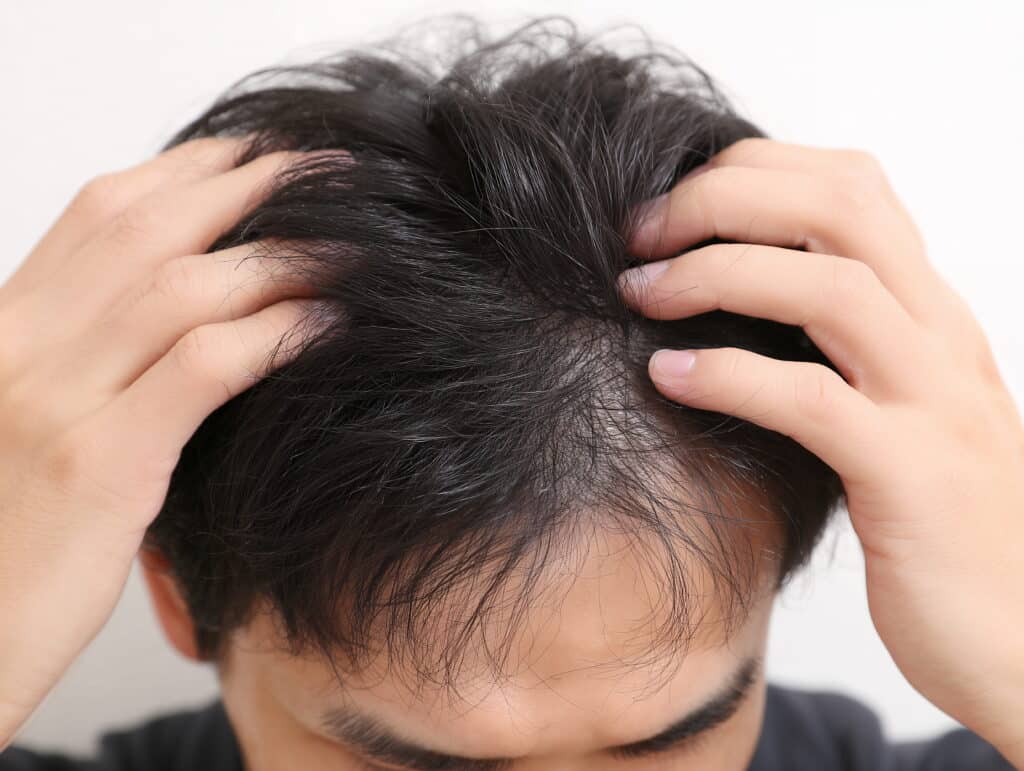
What Might Your Hair Look Like at This Point?
Honestly, not great. Patchy in places, thin in others. The hair after a hair transplant at the 20-day mark won’t look like the before-and-after photos you saw while researching. Some of the transplanted follicles will have already shed, and the ones that haven’t are hanging on with short, thin stubble.
The donor area, where follicular unit extraction was done, usually looks fairly normal by now. Maybe a little pink still, maybe slightly numb. But not obviously operated on.
And the growth? You won’t really see any yet. Month three or four is usually when patients start to notice real change. Post-hair transplant, day 20 is when the transplanted hair follicles are quietly establishing blood flow and getting ready. It’s invisible progress, but it’s progress. Browsing hair transplant Turkey before-and-after photo series, especially those that show monthly progression, helps a lot with managing expectations at this stage.
What Post-Operative Care Is Still Needed After 20 Days?
You’re past the most delicate window, but post-operative care still matters for hair transplant after 20 days. The follicles aren’t as fragile as they were in week one, but they’re not fully settled either.
Washing is fine now. You can gently wash your hair with a mild shampoo, just don’t scrub or rub hard, and pat it dry rather than toweling roughly. Sulfate-free is the way to go for a while longer.
Sun protection remains important. The scalp remains sensitive, and UV exposure can cause irritation, disrupting the healing process. A hat works fine, or SPF applied carefully.
If your scalp is dry or tight, a light fragrance-free moisturizer is okay to use. And if you were prescribed anything post-surgery, finasteride, minoxidil, or anything else, keep taking it. Don’t stop without talking to your surgeon.
Healthy hair growth later is directly linked to how well you look after your scalp now. It’s a boring few weeks, but it pays off.
What Should You Avoid at the 20-Day Mark?
Some aspects of the early restrictions are still in place.
- Heavy exercise is still off the table for most people at this point. Intense physical activity increases blood flow to the scalp, which can put stress on developing follicles. Light walking is completely fine. But running, lifting, or anything that gets your heart properly pumping is better saved for around the four-week mark.
- Swimming is also forbidden. Chlorine and salt water both irritate a healing scalp. Wait until your surgeon clears you.
- Itching is normal at this stage in the healing process. Scratching is still a bad idea, though; it can dislodge follicles and introduce bacteria. Leave it alone, even if it’s uncomfortable.
- Smoking and alcohol both restrict blood flow and slow down how quickly the transplanted follicles recover. If you can keep cutting back, do it.
- Watch what you put on your head. Tight hats or anything that presses hard against the recipient area can shift grafts that haven’t fully locked in yet.
When Should You Contact Your Surgeon?
Most things that happen in the days of your hair transplant recovery are normal. But some aren’t. Call your clinic if you’re seeing redness or swelling that’s getting worse rather than better, any discharge from the transplant area, pain that’s going the wrong direction, or shedding that looks seriously uneven or excessive rather than gradual.
Numbness in the donor area is common, but if it shows no signs of improvement after a few weeks, flag it.
Cosmedica in Istanbul, led by Dr. Levent Acar, includes post-surgery follow-up as part of their hair restoration surgery process. So patients aren’t left guessing. It’s worth considering what aftercare is included when comparing Turkey hair transplant cost options, because that follow-up support genuinely matters during recovery.
On the technical side, Micro Sapphire DHI uses a microsapphire blade rather than a metal scalpel, resulting in smaller incisions and reduced tissue trauma. That tends to speed up the healing process compared to older methods. Patients who’ve had FUE Sapphire procedures usually find that the donor area is close to normal, well within the three-week window. For a broader clinical picture, the American Academy of Dermatology provides useful general guidance on hair transplant recovery over time.

FAQ: Hair Transplant After 20 Days
Is it normal for hair to fall out at 20 days? Yes, completely. Shock loss is a standard part of the hair transplant recovery process after 20 days. The hairs fall, but the follicles stay put. Regrowth usually starts showing up around month three.
Can I go back to the gym? Light stuff, yes. Anything intense that spikes blood flow a lot is better left for another couple of weeks. When in doubt, ask your surgeon rather than guessing.
When will I actually see results? Most people start noticing real growth around months 3 and 4. Fuller density usually comes in between months 6 and 12. Final results are typically visible at the one-year mark.
How does the donor area look at day 20? Usually pretty good. The area where follicular unit extraction was carried out heals faster than the recipient zone. Most patients find it looks close to normal by now, maybe with some mild sensitivity still.
What should I expect at this stage if everything is going normally? Not much to look at yet. Some shedding, uneven coverage, and a scalp that looks like it’s in between things, because it is. The transplanted follicles are working. The visible part just hasn’t caught up yet.