

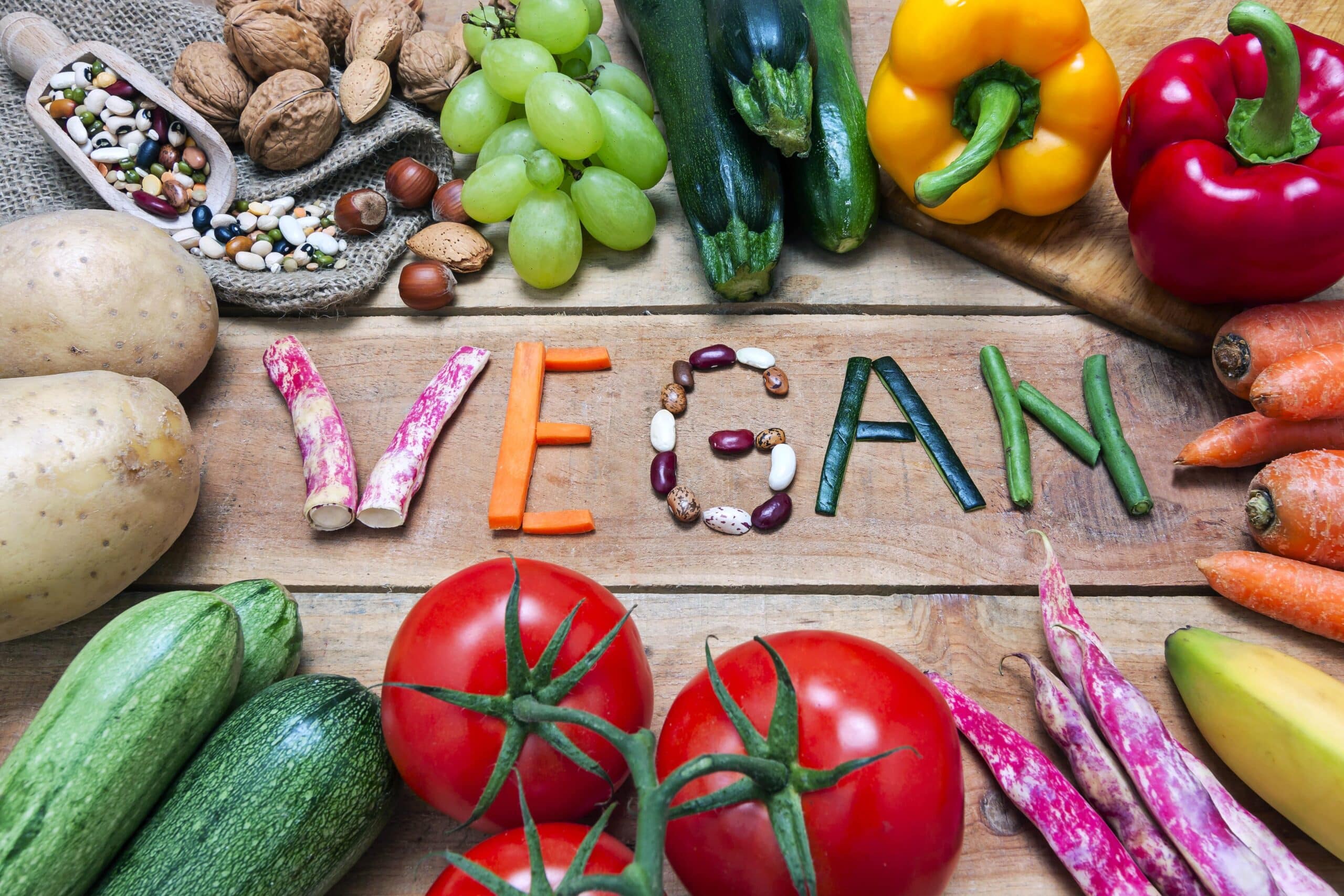

A vegan diet does not automatically cause hair loss. Many people maintain healthy hair on a well-planned plant-based diet. However, hair shedding can increase if the diet is too low in energy, protein, iron, zinc, vitamin B12, vitamin D, iodine or essential fatty acids. These issues are not exclusive to vegans, but some nutrients need more planning when animal products are excluded.
Hair growth depends on rapidly dividing follicle cells. If the body is under nutritional stress, it may shift more hairs into the resting phase. This can lead to diffuse shedding, often called telogen effluvium. A vegan diet may be one possible trigger if it is restrictive, unbalanced or introduced together with sudden weight loss.
This article explains the connection between vegan diets and hair loss, which deficiencies are most relevant, how to improve nutrient intake and when to seek medical advice.
Can a vegan diet cause hair loss?
A vegan diet can contribute to hair loss if it leads to a deficiency or a major calorie deficit. It is not the absence of meat itself that causes hair loss. The issue is whether the diet provides enough total energy, complete nutrition and key micronutrients to support normal hair growth.
The NHS explains that a vegan diet can be healthy when it is varied and well planned. It also highlights nutrients that need attention, including vitamin B12, iron, calcium, vitamin D and omega-3 fatty acids. For hair health, protein, iron, zinc, vitamin B12, vitamin D, iodine and essential fatty acids are especially relevant.
Hair loss may also have causes that have nothing to do with diet. These include androgenetic alopecia, thyroid disease, stress, medication, illness, pregnancy, scalp inflammation and autoimmune conditions. If shedding is persistent, sudden, patchy or accompanied by scalp symptoms, it should be assessed rather than assumed to be diet-related.
If you are unsure whether your hair loss is nutritional, hormonal or genetic, our general guide to hair thinning explains the main patterns and warning signs.
How does diet affect the hair growth cycle?
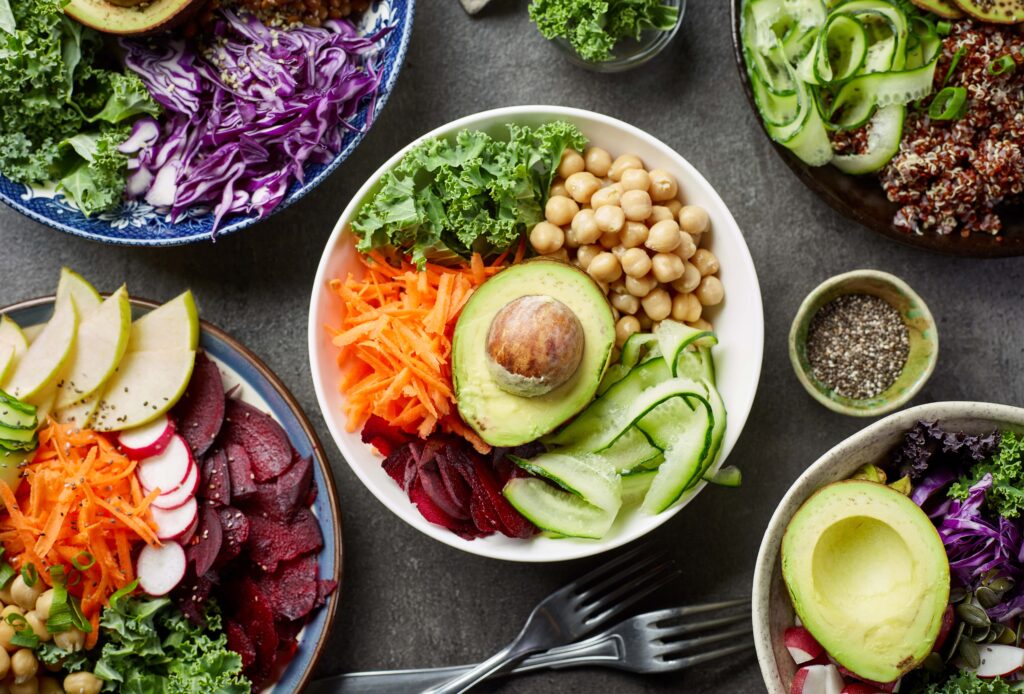
Hair grows in cycles. During the anagen phase, the follicle actively produces hair. During the telogen phase, the hair rests and later sheds. Because hair follicles are metabolically active, they can be affected by nutrient deficiencies, low energy intake, illness and hormonal changes.
When the body receives too little protein, iron or energy, it may prioritise essential organs over hair production. This can push more follicles into the resting phase. The shedding usually appears weeks or months after the trigger, which is why people do not always connect hair loss with a recent diet change.
Nutrition is only one part of the picture. Male and female pattern hair loss are commonly driven by genetics and hormones. In those cases, improving a diet may support general health but usually does not reverse the underlying pattern alone. For hormone-related hair loss, see our guide to DHT hair loss.
Which nutrient deficiencies are linked to vegan hair loss?
Several nutrients are relevant to hair health. A deficiency does not always cause hair loss by itself, and taking supplements without a confirmed need is not always helpful. The American Academy of Dermatology warns that too much of some nutrients can worsen hair loss, so blood testing and medical advice are preferable when shedding is significant.
| Nutrient | Why it matters | Vegan sources |
| Protein | Supports keratin production and normal follicle activity. | Lentils, beans, chickpeas, tofu, tempeh, soya milk, seitan, nuts, seeds, quinoa. |
| Iron | Needed for haemoglobin, which transports oxygen around the body. Low iron can contribute to fatigue and hair shedding. | Lentils, beans, tofu, fortified cereals, pumpkin seeds, spinach, dried apricots, whole grains. |
| Vitamin B12 | Supports blood cells, nerve health and DNA synthesis. It is not naturally present in plant foods in reliable amounts. | Fortified foods and B12 supplements. |
| Zinc | Supports cell division, immune function and tissue repair. | Beans, chickpeas, lentils, tofu, nuts, seeds, whole grains, fortified foods. |
| Vitamin D | Supports immune and general health. Low levels are common in people with limited sun exposure. | Sunlight, fortified plant milks, fortified spreads, mushrooms exposed to UV light, vegan vitamin D supplements. |
| Iodine | Needed for thyroid hormone production. Thyroid imbalance can affect hair growth. | Iodised salt, some seaweed products, iodine supplements if advised. |
| Omega-3 fatty acids | Support cell membrane function and general scalp health. | Ground flaxseed, chia seeds, walnuts, rapeseed oil, hemp seeds, algae-based DHA/EPA supplements. |
| Biotin | Biotin deficiency can cause thinning hair, but true deficiency is uncommon. | Nuts, seeds, sweet potatoes, legumes, whole grains, nutritional yeast. |
Why is protein important for hair on a vegan diet?
Hair is made mainly from keratin, a structural protein. If the diet is too low in protein, the body may reduce support for non-essential tissues, including hair. This can lead to brittle hair, slower growth or increased shedding.
Most vegans can meet their protein needs through food, but it requires regular intake rather than occasional high-protein meals. Useful options include tofu, tempeh, lentils, chickpeas, beans, edamame, soya yoghurt, soya milk, seitan, quinoa, nuts and seeds.
A common issue is not only protein quality but total intake. Someone who changes to a vegan diet and mainly eats salads, fruit, vegetables and low-calorie meals may unintentionally consume too little energy and protein. That combination can increase the risk of diffuse shedding.
How can iron deficiency affect hair growth?
Iron helps the body make haemoglobin, the protein in red blood cells that carries oxygen. Low iron stores may contribute to tiredness, weakness and shedding in some people. Iron is especially relevant for menstruating women, endurance athletes and people with restrictive diets.
Plant foods contain non-haem iron, which is less readily absorbed than haem iron from meat. This does not mean a vegan diet cannot provide enough iron, but absorption needs more attention. Vitamin C improves the absorption of non-haem iron, while tea, coffee and some high-phytate foods can reduce absorption when taken with iron-rich meals.
Practical vegan iron sources include lentils, kidney beans, chickpeas, tofu, fortified cereals, pumpkin seeds, sesame seeds, spinach, dried apricots and wholemeal bread. Pairing these foods with vitamin C sources such as citrus fruit, peppers, berries or broccoli can support absorption.
Do not take iron supplements without a clear reason. Too much iron can be harmful. If iron deficiency is suspected, a clinician can check blood count and ferritin levels.
Why is vitamin B12 important for vegans?
Vitamin B12 is one of the most important nutrients to plan on a vegan diet because it is naturally found in reliable amounts mainly in animal-derived foods. It supports blood cells, nerve function and DNA synthesis. Deficiency can cause anaemia and neurological symptoms.
For vegans, the usual options are B12-fortified foods and B12 supplements. Fortified foods may include some plant milks, breakfast cereals, yeast extracts and nutritional yeast, depending on the product. Labels should be checked because not all plant-based foods are fortified.
B12 deficiency does not always show immediate symptoms. Hair shedding is not the only concern. Long-term deficiency can affect the nervous system, so B12 should be planned consistently rather than corrected only when symptoms appear.
Can zinc deficiency contribute to vegan hair loss?
Zinc supports cell division, immune function and tissue repair. These processes are relevant to normal follicle activity and scalp health. Some vegan staples, including beans and whole grains, contain phytates, which can reduce zinc absorption.
This does not mean legumes or grains should be avoided. They are valuable foods. Soaking, sprouting, fermenting and choosing leavened breads can help reduce phytate content and improve mineral availability. Vegan zinc sources include beans, lentils, chickpeas, tofu, nuts, seeds, oats and fortified foods.
Zinc supplements should be used carefully, because excessive zinc intake can interfere with copper status and cause other problems. If you suspect a deficiency, it is better to test and discuss the result with a clinician or dietitian.
What role do vitamin D and iodine play?
Vitamin D is involved in immune function and overall health. Low vitamin D is common in many countries, especially during darker months, in people with limited sun exposure and in people who cover most of their skin outdoors. Vegan sources include fortified plant foods and vegan vitamin D supplements.
Iodine is needed to produce thyroid hormones. Thyroid disorders can contribute to hair thinning or shedding, so iodine intake matters. However, iodine is a nutrient where both too little and too much can cause problems. Seaweed can be very high in iodine and is not always predictable. Iodised salt or a suitable supplement may be more controlled options, depending on local availability and personal health status.
If hair loss appears together with fatigue, weight change, cold intolerance, heat intolerance, palpitations or changes in periods, thyroid testing may be appropriate. You can read more in our guide to thyroid hair loss.
Are omega-3 fatty acids relevant to hair health?
Omega-3 fatty acids are not a direct cure for hair loss, but they support general health and cell membrane function. Vegan diets usually provide ALA from plant foods such as flaxseed, chia seeds, walnuts, hemp seeds and rapeseed oil. The body can convert some ALA into EPA and DHA, but conversion is limited.
For people who want a direct vegan source of DHA and EPA, algae-based supplements are an option. This may be especially relevant for people who do not regularly eat omega-3-rich plant foods.
Is biotin useful for vegan hair loss?
Biotin is often marketed for hair growth, but routine biotin supplementation is not a reliable solution for most hair loss. True biotin deficiency can cause thinning hair and brittle nails, but it is uncommon. The NIH Office of Dietary Supplements notes that claims for biotin supplements in hair, skin and nail health are supported, at best, by limited evidence unless there is a deficiency.
Vegan food sources include nuts, seeds, legumes, sweet potatoes, whole grains and nutritional yeast. If you take biotin supplements, tell your doctor before blood tests because biotin can interfere with some laboratory results.
What else can cause hair loss after going vegan?
Not every case of hair loss after going vegan is caused by the vegan diet itself. The timing may be coincidental, or the diet change may have happened alongside another trigger.
Possible causes include:
- Rapid weight loss: sudden calorie restriction can trigger temporary shedding.
- Low total energy intake: eating too little overall can affect the hair cycle.
- Stress: emotional or physical stress can contribute to telogen effluvium. See our guide to stress and hair loss.
- Androgenetic alopecia: genetic hair loss can start or progress independently of diet.
- Thyroid disorders: both underactive and overactive thyroid function can affect hair.
- Medication or illness: some medicines and health conditions can trigger shedding.
- Scalp disease: inflammation, fungal infection or scarring alopecia may need medical treatment.
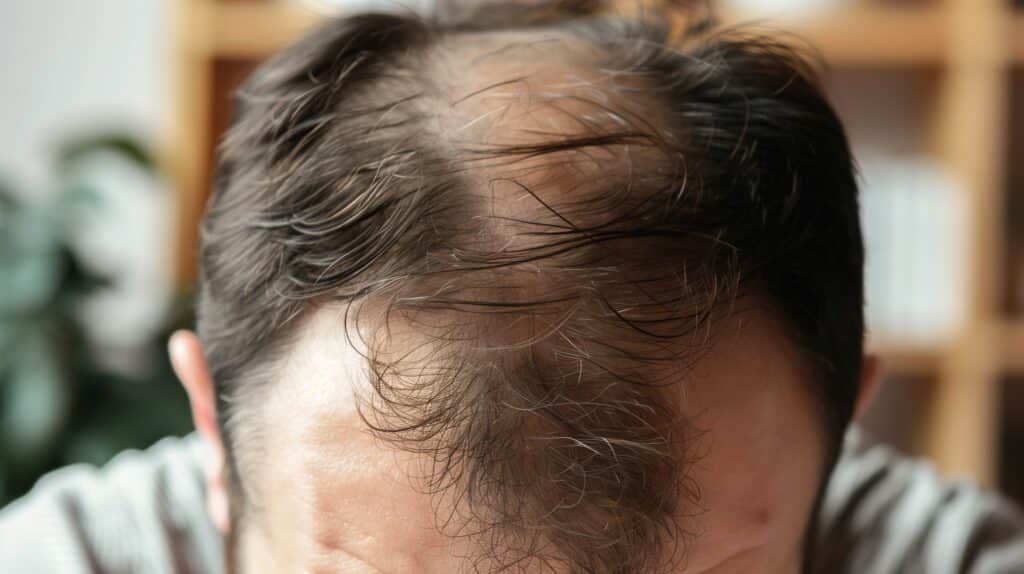
Pattern matters. Diffuse shedding across the scalp often suggests a systemic trigger such as illness, stress, deficiency or thyroid imbalance. A receding hairline or crown thinning is more typical of androgenetic alopecia. Patchy hair loss may suggest alopecia areata or another scalp condition.
How can you prevent hair loss on a vegan diet?
The best prevention strategy is not a single supplement. It is a consistent, adequate and varied diet. A well-planned vegan diet should include enough calories, enough protein and reliable sources of nutrients that are harder to obtain from plants alone.
Build meals around protein
Include a protein source at most meals. Examples include tofu scramble, lentil soup, chickpea curry, bean chilli, tempeh stir-fry, soya yoghurt, seitan, edamame, hummus and wholegrain bread, or quinoa with beans and seeds.
Plan B12 rather than guessing
Use B12-fortified foods or a B12 supplement consistently. This is one of the clearest nutritional priorities for vegans.
Combine iron-rich foods with vitamin C
Pair lentils, beans, tofu, seeds or fortified cereals with vitamin C-rich foods such as peppers, citrus fruit, kiwi, strawberries or broccoli. Avoid drinking tea or coffee directly with iron-rich meals if iron levels are low.
Avoid crash dieting
Rapid weight loss and low-calorie diets can trigger shedding. If weight loss is a goal, it should be gradual and nutritionally adequate.
Consider blood tests if shedding continues
If hair loss persists for more than a few months, ask a clinician about tests such as full blood count, ferritin, vitamin B12, vitamin D, thyroid function and zinc where appropriate. Testing helps avoid unnecessary supplements and identifies problems that need treatment.
For a broader overview of common hair-related nutrients, see our guide to vitamins for hair loss.
Can hair grow back after vegan hair loss?
If hair loss is caused by a temporary deficiency, low calorie intake or telogen effluvium, regrowth is often possible once the trigger is corrected. However, regrowth is not immediate. Hair cycles are slow, so visible improvement may take several months after nutrition and health factors are stabilised.
If the hair loss is genetic, such as male or female pattern hair loss, nutrition alone is unlikely to restore lost density. In these cases, treatment may include medical therapies, long-term stabilisation strategies and, for suitable candidates, hair transplant planning.
A diagnosis matters before choosing treatment. Nutritional shedding, thyroid-related shedding, alopecia areata, scalp infection and androgenetic alopecia are managed differently. Treating the wrong cause can delay effective care.
When should you see a doctor about vegan hair loss?
Seek medical advice if hair loss is sudden, severe, patchy, painful, associated with scalp redness or scaling, or accompanied by symptoms such as fatigue, dizziness, weight change or menstrual changes. You should also seek advice if shedding continues for several months despite improving diet quality.
A clinician may review diet, medication, recent illness, family history, menstrual history, scalp symptoms and blood tests. The NHS advises seeing a GP if hair loss is sudden, you develop bald patches, your scalp itches or burns, or you are worried about hair loss.
Can a hair transplant help if diet caused the hair loss?
A hair transplant is usually not the first treatment for temporary nutritional shedding. If the follicles are still alive and the shedding is caused by a correctable deficiency, the priority is to diagnose and correct the trigger. Surgery should not be used to treat active, unexplained shedding without a proper assessment.
A hair transplant may be considered if there is stable pattern hair loss, a suitable donor area and realistic expectations. For example, a vegan patient with androgenetic alopecia may still be a candidate if general health and nutrition are stable. In that case, nutritional status matters because recovery and healing depend on adequate protein, iron and overall health.
If you are comparing treatment options, our before and after gallery shows real hair transplant results, while our hair transplant cost in Turkey page explains package pricing. You can also start with a free hair analysis.
How should vegans prepare for a hair transplant?
A vegan diet is not a barrier to hair transplantation, but it should be nutritionally adequate before surgery. Patients should tell the clinic about their diet, supplements, medication and any known deficiencies. If there are signs of anaemia, low protein intake, thyroid disease or active shedding, these should be addressed before treatment planning.
Before surgery, focus on:
- adequate protein intake from legumes, soya products, seitan, nuts and seeds;
- reliable vitamin B12 intake through supplements or fortified foods;
- iron status, especially if there is fatigue or heavy menstruation;
- vitamin D status where deficiency is likely;
- clear communication about all supplements, including high-dose products.
For a general preparation overview, see our guide to hair transplant consultation.
What is the key takeaway?
Vegan hair loss is usually not caused by veganism itself. It is more often linked to inadequate planning, low calorie intake, low protein intake or specific deficiencies. The most important nutrients to consider are protein, iron, vitamin B12, zinc, vitamin D, iodine and omega-3 fatty acids.
If shedding started after a major diet change, review the diet carefully and consider blood tests rather than guessing. If the hair loss is patterned, patchy, painful or persistent, medical assessment is important. A balanced vegan diet can support healthy hair, but the correct treatment depends on the real cause of the hair loss.
FAQs about vegan hair loss
Can going vegan make your hair fall out?
Going vegan does not automatically make hair fall out. Hair loss may occur if the diet becomes too low in calories, protein, iron, vitamin B12, zinc, vitamin D, iodine or essential fatty acids.
Is vegan hair loss permanent?
Hair loss caused by a temporary deficiency or low energy intake may improve after the underlying issue is corrected. Genetic hair loss, scarring alopecia and some medical conditions need different treatment and may not reverse with diet alone.
What nutrient deficiency is most common in vegans with hair loss?
There is no single deficiency that explains every case. Vitamin B12, iron, zinc, vitamin D, iodine, protein and omega-3 intake are all worth reviewing if shedding starts after switching to a vegan diet.
How much protein do vegans need for healthy hair?
Protein needs vary by body size, activity level, age and health status. Vegans should include protein-rich foods regularly, such as tofu, tempeh, lentils, beans, chickpeas, soya products, seitan, nuts and seeds.
Can B12 deficiency cause hair loss?
Vitamin B12 deficiency can affect blood cells and overall health, and it may contribute to hair shedding in some people. Vegans should use reliable B12 sources such as fortified foods or supplements.
Does biotin stop vegan hair loss?
Biotin only helps when there is a true biotin deficiency, which is uncommon. Routine biotin supplementation is not a reliable treatment for most hair loss and can interfere with some blood tests.
Should I take supplements for vegan hair loss?
Supplements may help if a deficiency is present, but taking high doses without testing is not recommended. Blood tests and professional advice can identify which nutrients actually need correction.
When should I see a doctor for hair loss on a vegan diet?
See a doctor if hair loss is sudden, severe, patchy, painful, associated with scalp symptoms or continues for several months. Medical advice is also important if you have fatigue, dizziness, weight change or thyroid symptoms.