



Medically reviewed by Dr. Levent Acar, MD
Founder & Lead Hair Transplant Surgeon
Updated on: September 01, 2026
Reaching 10 days after a hair transplant is a real milestone. The most delicate phase of your recovery is behind you, and your scalp is starting to settle. But it’s still early days, and knowing what’s happening beneath the surface, and how to care for it, makes all the difference. This guide walks you through everything: what your scalp looks like, how to wash it, what activities you can ease back into, and what to keep avoiding for now.
What Happens 10 Days After a Hair Transplant?
By day ten, your body has been working hard. The initial redness and swelling that showed up in the first few days have mostly faded. The recipient area, where the new follicles were placed, will likely show some small scabs or crusting. That’s completely normal. Those crusts are protecting the transplanted hairs underneath as they anchor into place.
This is often the stage at which you’ll start washing your hair more thoroughly to encourage the scabs to fall off, revealing the clean skin underneath.
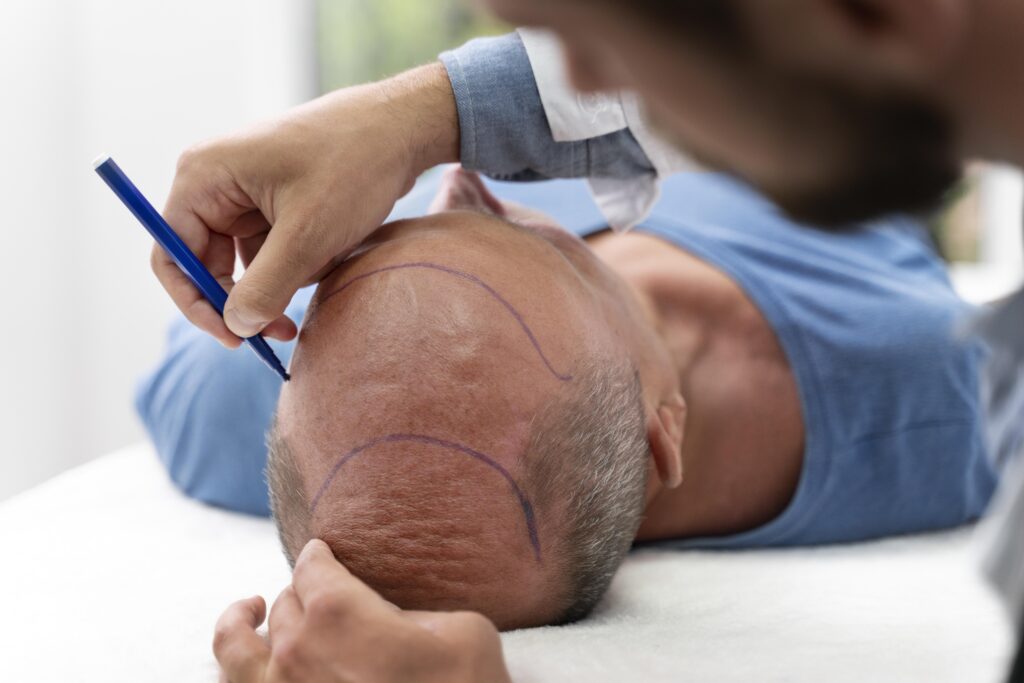
Are Hair Transplant Grafts Secure After 10 Days?
This is one of the most common questions people ask at this stage, and the good news is that, yes, your transplant grafts are significantly more secure by day ten. The first 72 hours are the most critical window. After that, the follicular units gradually embed deeper into the scalp tissue.
By day ten following a FUE hair transplant or a Micro Sapphire DHI procedure, the follicles have bonded with your surrounding tissue. They can still be sensitive to friction or pressure, though. That’s why you’ll still want to avoid touching or scratching the recipient area, even if it itches.
Think of the grafts as freshly planted seeds. The roots are in, but the plant is still fragile. Treat your scalp gently, and you’ll give those follicles the best shot at producing full, healthy hair.
What To Expect 10 Days After a Hair Transplant?
Every patient’s recovery is slightly different, but here’s what most people experience around the ten-day mark:
- Scab shedding: Most of the small scabs will fall off during your daily washes.
- Itching: As the skin heals, it might feel itchy. This is a great sign that nerves are recovering, but don’t scratch!
- Donor area healing: The back of your head, where the hair was taken from, should feel much less sensitive.
What Activities Can You Do 10 Days After a Hair Transplant?
You don’t have to spend your entire recovery on the sofa. By day ten, you can carefully return to a few normal activities:
- Light walking and gentle exercise (nothing that raises your heart rate significantly)
- Desk work and normal daily tasks
- Gentle social activities where you won’t be bumping heads in a crowd
If you need to go outside, wear a loose-fitting hat to protect your scalp from the sun and dust. Make sure it’s not tight or rubbing against the donor and recipient areas.
Things To Avoid 10 Days After Hair Transplant
Even though you’re past the most vulnerable phase, there are still things that can interfere with healing. Here’s what to steer clear of:
- Heavy exercise: Avoid strenuous exercise or any physical activity that causes heavy sweating
- Direct sunlight: The skin in the recipient area is still very thin. Too much sun can cause permanent pigmentation or damage the follicles.
- Swimming: Avoid chlorinated pools or salt water for at least 30 days to avoid irritation or infection.
- Smoking and alcohol: These can restrict blood flow, which is the fuel your grafts need to grow. It is generally advised not to smoke or drink alcohol for at least two weeks to ensure optimal blood flow to the scalp.
How Do FUE Sapphire and Micro Sapphire DHI Hair Transplants Look After 10 Days?
The technique used for your transplant affects how your scalp looks during recovery. Both FUE Sapphire and Micro Sapphire DHI are minimally invasive methods that leave smaller incisions and cause less scalp trauma than older techniques.
With FUE Sapphire, tiny sapphire-bladed incisions are made in the recipient area. By day ten, those incisions are largely healed. The surface may still look a little pink or uneven, but the underlying tissue is recovering well.
The Micro Sapphire DHI method uses a specialized implant pen that places each graft directly into the scalp without pre-made channels. This tends to mean faster healing, less bleeding, and a more natural look at every stage of recovery. Many patients find that by day ten, their scalp looks remarkably cleaner than with traditional methods.
To see real patient results at different stages, you can check out the hair transplant Turkey before and after gallery on the Cosmedica website.
The Procedure Following a Hair Transplant: A Recovery Timeline
It helps to zoom out and see where day ten fits in the bigger picture of hair restoration surgery:
- Days 1–7: The first week post op is when grafts are most vulnerable. Swelling peaks around days two to four, then subsides. Scabbing begins, and you’ll follow a strict washing routine using a saline spray and a gentle technique. Sleep with your head elevated. Avoid any direct pressure on the scalp.
- Day 7–10: By day seven after the hair transplant, most patients notice the swelling is gone, and scabs are starting to loosen and fall off naturally. The days after the procedure feel less uncomfortable, and washing becomes easier. This is where you are now.
- Months 1–3: Most transplanted hairs will shed during this period. It can look alarming, but it’s expected. The follicles are dormant, not gone. According to the International Society of Hair Restoration Surgery (ISHRS), this resting phase is a normal part of the follicle cycle after transplantation.
- Month 6: New hair starts pushing through the scalp. Growth is patchy at first, but you’ll see clear improvement in density and coverage.
- Month 12: By one year post-transplant, you’ll have a clear picture of your final result. Most patients see 80–90% of their hair growth by this point, with full density following over the next few months.
Curious about the Turkey hair transplant cost and what’s included in your package? The Cosmedica website has a full breakdown.

Final Thoughts
Day ten is a genuinely positive point in your recovery. The grafts are secure, the worst of the discomfort is over, and you’re starting to get a feel for what your new normal looks like. Stay patient, hair loss doesn’t happen overnight, and neither does its treatment. The results of your hair transplant procedure will continue to improve over the coming months.
If you’re considering a transplant or want to learn more about what recovery looks like up close, Cosmedica offers consultations with Dr. Levent Acar, one of Istanbul’s well-known specialists in natural-looking hairlines.
FAQ: 10 Days After a Hair Transplant
Can I wash my hair normally after 10 days?
Not quite yet. You can wash more confidently, but use gentle pressure, lukewarm water, and a mild shampoo. Avoid rubbing or scrubbing.
Can I go back to work after 10 days?
For office-based or remote work, most patients return within the first week. By day ten, that’s well behind you. If your job involves physical labor, heavy lifting, or exposure to sun and dust, check with your surgeon first.
When can I exercise after a hair transplant?
Light exercises are fine from around day seven. More intense exercise, such as running, gym workouts, and contact sports, should wait until at least week four. Heavy sweating in the recipient area can increase infection risk and delay healing.
How do I know if my grafts are healthy?
Signs of healthy healing include: fading redness, crusts that are starting to fall off on their own, no pain or significant swelling, and no signs of infection (pus, hot skin, or a fever). If anything concerns you, your clinic is the best first point of contact.