



Medically reviewed by Dr. Levent Acar, MD
Founder & Lead Hair Transplant Surgeon
Updated on: September 01, 2026
Somewhere around month three, almost every hair transplant patient becomes an amateur scalp detective. Phone torch on, bathroom mirror, head tilted at an angle no human neck was designed for, hunting for proof that something is growing. And finding very little. By 3 months after a hair transplant, the dramatic shedding is over, the new hair has barely begun to show up, and the evidence is thin. This is the stage that quietly drives people up the wall.
The twist is that the nothing you are seeing is not nothing at all. It is the turning point. Here is what is really happening under there, and what comes next.
Is Hair Growth Normal at 3 Months After a Hair Transplant?
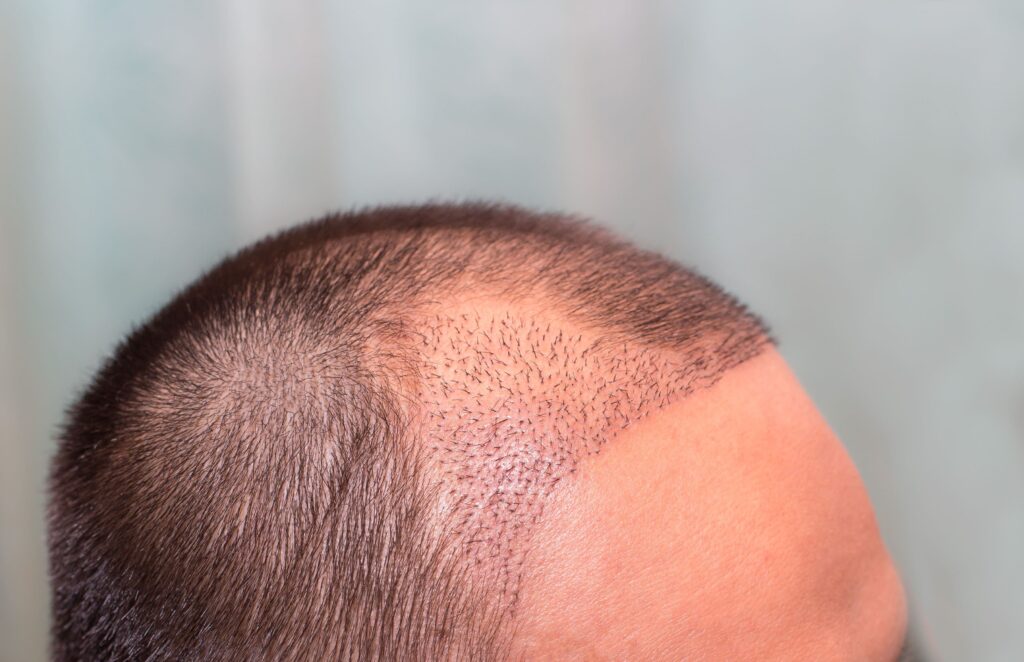
Yes, even when it does not look like it. By the third month post op, the first new hairs usually start to push through, and they are easy to miss because they come in thin, short, and pale. Baby fuzz is the phrase most people land on. Real coverage is still a way off, but new hair growth tends to begin around this point and build from there.
What is going on underneath matters more than what shows on top:
- The newly transplanted hairs have settled into the scalp
- They are leaving the resting phase and starting active growth
- The first sprouts come through fine and pale, then thicken later
So if you are a hair transplant patient looking at sparse fuzz right now, that is the expected early stage. It is not a failure.
Has Shedding Stopped by 3 Months?
For most people, yes, and that surprises many patients who expect it to drag on. The order is worth understanding. Transplanted hairs shed first, usually in weeks 2 to 4, in a process called shock loss. The graft hair falls out, while the follicle itself remains alive under the skin. After about 12 weeks, more hair shedding is not really expected, as it depends on how the growth cycle is timed.
A few things about the shedding:
- Around 50 to 60% of patients get noticeable shock loss, some more, some less
- The hair shaft falls, the follicle stays put
- Some existing hair near the transplanted area can shed too, and then it comes back
By month three, most of that is finished. What is left is the quiet stretch before the real growth kicks in.
What Does the Scalp Look and Feel Like?
The scalp has mostly calmed down by now. Redness from surgery has usually faded, which is a normal part of hair transplant recovery. The donor area has healed and looks normal again. Most post-hair transplant discomfort is long gone.
What you might still see:
- Mild patchiness as new hair comes through unevenly
- Some areas sprout before others
- A scalp that looks closer to how it did before surgery than you would want
There is a nickname for this in-between look. The ugly duckling phase. Roughly weeks six to twelve, when the area can look thinner than expected while it waits. It passes. It just does not feel like it will while you are sitting in it.
Why Is Hair Density Still Low at 3 Months?
Because hair grows in cycles, not on a schedule. The density you are hoping for arrives later and builds slowly. Transplanted hair never grows all at once, since every follicle runs on its own clock. At three months, only a share of them are actually producing visible hair, while the rest are still waking up. That is why the density still looks low even when the hair transplant surgery went perfectly well.
The rough timeline goes like this:
- Month 3, early growth of follicular units starts, thin and sparse
- Month 6, density reaches around 60 to 70% for many patients
- Months 10 to 12, the hair gets close to full maturation
So three months post surgery is the very start of the curve in your hair growth cycle. Not the middle. Three months after surgery, the number of follicles pushing out visible hair climbs steadily over the next few months. Here, patience is not just nice advice. It is the actual mechanism.
Changes in Hair Texture and Growth Direction
The first natural hair to arrive often looks a bit odd, and that is completely normal. It can come in thin and wiry, sometimes curlier than your usual hair, even if yours has been poker straight your whole life. People notice it most in the bathroom light, up close.
This one catches people off guard. Worth keeping in mind:
- Early hair can have a different texture from your existing hair
- The growth direction can look slightly off at first
- It usually self-corrects as the hair matures, often within 12 to 24 months
So uneven growth and odd texture at this stage are not warning signs. The hair thickens, settles, and lines up with your existing hair as it grows out.
Why Hair Loss Prevention Still Matters After a Transplant
Here is the bit people forget. A transplant brings back hair that was lost. It does not stop your hair from thinning over time.
The transplanted hair follicles come from the donor area at the back and sides, which are resistant to DHT. That is why transplanted hair lasts. But the hair around it, your original native hair, can still thin from male pattern hair loss over the years. Serious side effects are rare at this stage, but protecting the result remains active work.
That is why a lot of surgeons suggest keeping prevention going after surgery:
- Medications like finasteride or minoxidil to protect native hair, where suitable
- Decent scalp care and nutrition
- Regular follow-up to track how things are going
Looking after the existing hair protects the whole result. A transplant plus ongoing care holds up better than a transplant alone.

What to Expect Next in Your Hair Growth Timeline
It gets better from here, and fairly steadily. Month three is the bottom of the curve in your hair restoration journey. After that, the line climbs.
Roughly what comes next:
- Months 3 to 6, the hair thickens and darkens, and real coverage starts showing
- Months 6 to 9, most patients notice proper density and improvement
- Around month 12, the final hairline, density, and styling come together
Final results usually land near the twelve-month mark, sometimes longer for the crown. What you can realistically expect at three months is the first sign of growth. Not the finished look. The hair transplant Turkey before and after gallery shows the same patients at later stages, which puts the three-month point in perspective.
Still researching the procedure itself? The Micro Sapphire DHI method page explains the technique used at Cosmedica Clinic in Istanbul, and the Turkey hair transplant cost page covers pricing. For anyone weighing up a hair transplant in Turkey to begin with, knowing this timeline helps set expectations before booking.
FAQ Hair Transplant After 3 Months
Is it normal to see very little growth at the 3-month mark? Yes. At three months, the new hair is thin and sparse, often called baby fuzz. Visible growth usually starts around this point and builds gradually over the following months.
Should shedding have stopped by now? For most patients, yes. Shock loss shedding usually happens in the first few weeks and is generally over by around twelve weeks. After that, more shedding is not typically expected.
Why does the transplanted area look patchy at 3 months? Because follicles grow on individual cycles, not all at once. Some come through earlier than others, which makes the growth uneven. It evens out as more follicles become active.
Will the thin, wiry hair stay that way? No. Early hair often has a different texture and can look thin or curly at first. It usually thickens and settles as it matures, often over 12 to 24 months.
When will I see the final result? Most patients see close to final density around twelve months, with the crown sometimes taking longer. Three months is the early stage, not the final outcome.