


Maybe you’ve noticed your scalp showing through more than it used to. Or perhaps your barber has suggested keeping your hair short because a buzz cut makes thinning less obvious. If you’re looking for ways to make thinning areas less obvious, you may have come across hair tattoo treatments.
So, is it worth considering? That depends on what you’re trying to achieve, how much hair loss you have, and whether you want a cosmetic solution or actual hair restoration.
What Is a Hair Tattoo?
The name can be a little misleading. People usually mean scalp micropigmentation (SMP).
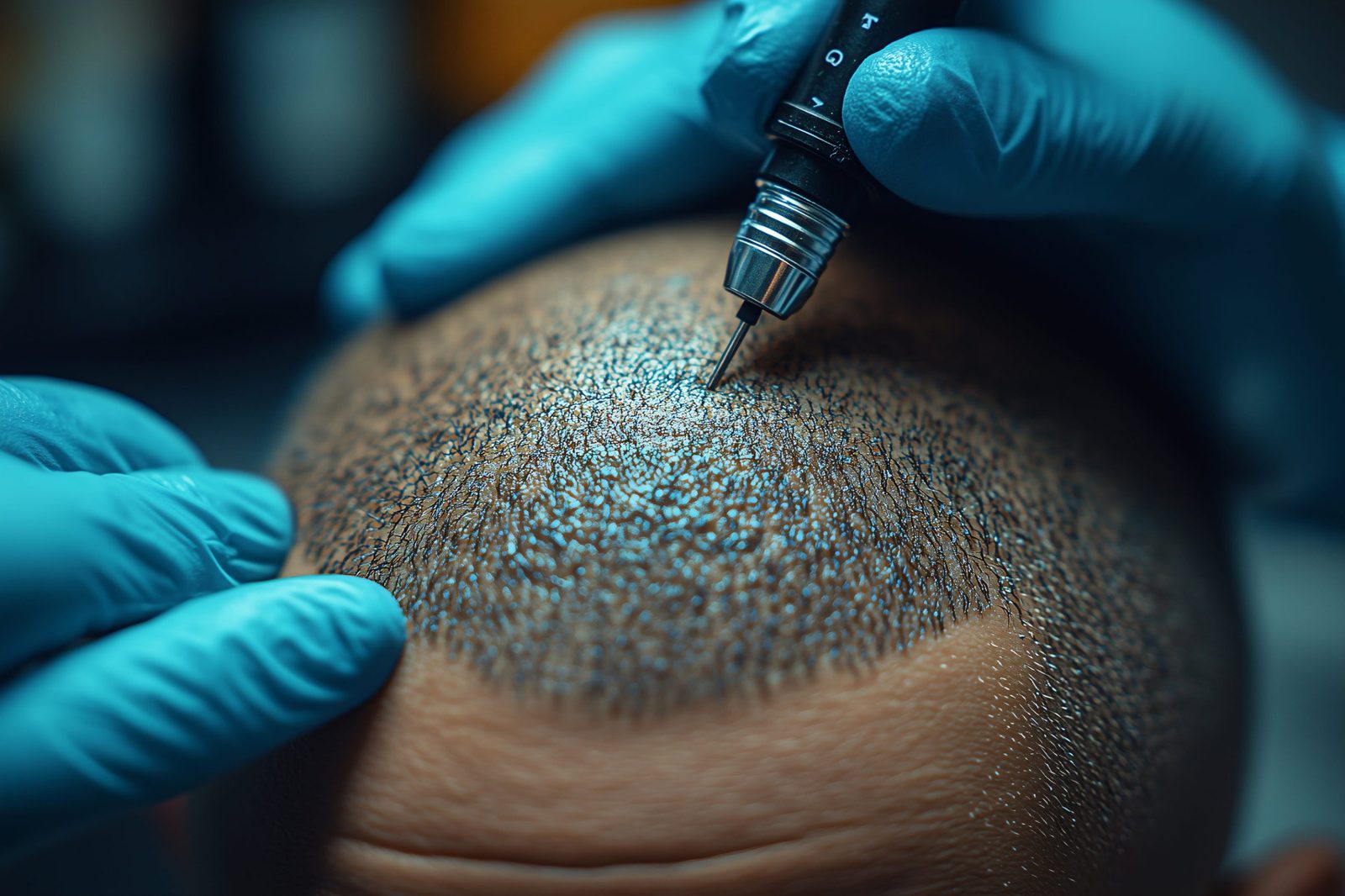
A hair tattoo is another name for scalp micropigmentation, a non-surgical cosmetic procedure that places tiny dots of pigment into the scalp. The dots are designed to resemble closely shaved natural hair follicles, creating the appearance of a fuller head of hair or a buzz cut.
You may also hear terms such as hairline tattoo or scalp tattoo. However, SMP isn’t the same as a regular tattoo. While both use needles to place pigment into the skin, SMP is specifically designed to replicate the look of closely shaved hair and work with your existing hair pattern.
The practitioner considers your skin tone, existing hair, and desired hairstyle to create a natural appearance. The goal is usually to create a natural hairline that blends with the rest of the scalp rather than looking like a solid block of ink.
The important distinction is that SMP changes appearance, not hair growth. It doesn’t create new hair follicles or restore lost hair.
Is a Hair Tattoo Right for You?
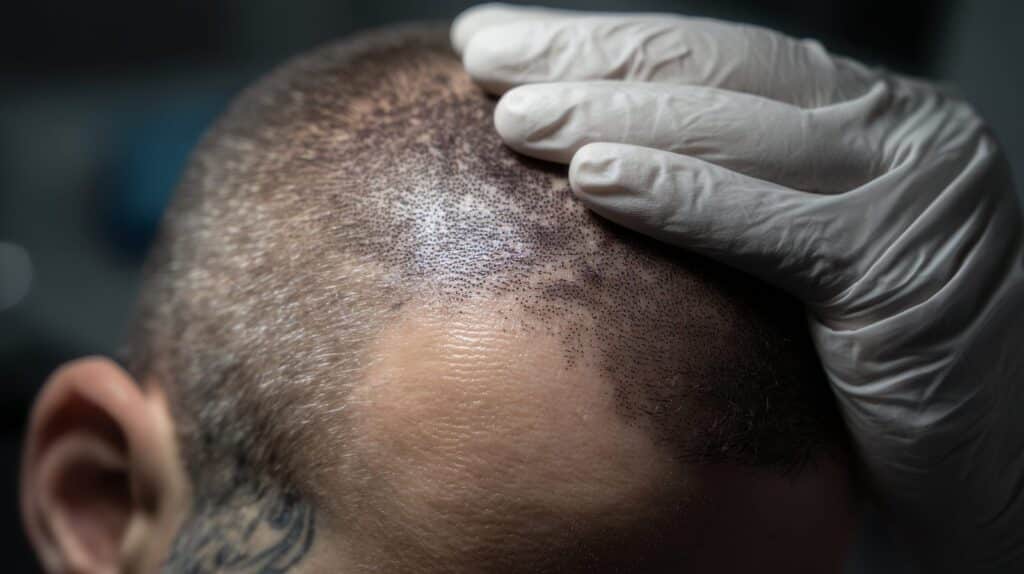
That depends on what you’re actually trying to fix. If you’re comfortable with a shaved or buzzed look and you want to hide hair loss or thinning hair rather than reverse it, SMP can be a genuinely good fit. It works well for:
- Adding density to a receding hairline
- Pattern baldness
- Thinning at the crown
- A shaved or closely cropped appearance
- Scalp scars that are visible through the hair
That said, if you want a full head of hair you can style or grow out, SMP isn’t the answer. SMP is a visual fix, not a hair restoration solution. For that, a procedure using real hair follicles, such as a hair transplant in Turkey, can help address the underlying loss rather than disguising it.
What is the process for a hair tattoo?
The process itself is fairly straightforward. A typical treatment plan looks something like this:
- Consultation: Your practitioner assesses your scalp, hair loss, skin type, and desired look to plan the treatment.
- Hairline design: Your hairline shape, density, and pigment shade are chosen to suit your features and existing hair.
- Pigment application: The practitioner places tiny amounts of pigment into the scalp with a fine needle to create the look of closely shaved hair.
- Follow-up sessions: Additional sessions build density and allow the scalp to settle between treatments.
- Final review: The practitioner checks the result and makes any final adjustments if needed.
Each session usually takes a few hours, and there’s little to no downtime between them. You can typically go back to normal activities the same day.
What Does a Hair Tattoo Actually Cost?
There isn’t one standard price for scalp micropigmentation. The cost varies widely depending on the size of the treatment area, number of sessions, amount of pigment required, practitioner, and location.
A small area, like camouflaging a scar, costs less than covering an entire scalp across multiple sessions. Most SMP treatments require two to four sessions spaced a week or two apart, and each session adds to the total.
When choosing a practitioner, don’t focus only on price. Ask to see previous work and check whether the person performing the treatment has experience creating realistic hairlines. A skilled tattoo artist or SMP practitioner should understand how pigment placement, density, and hair patterns affect the final appearance.
If you’re also weighing SMP against a transplant, it helps to compare the numbers side by side. You can check current Turkey hair transplant cost estimates to see how the two options stack up financially over the long run, since a transplant is a one-time procedure while SMP pigment typically needs a touch-up every few years.
What Are the Advantages of Hair Tattoos?
SMP has a few advantages that make it appealing, especially compared to other cosmetic options. It’s non-surgical, so there’s no incision, no anesthesia, and no recovery period to plan around. Results are visible almost immediately after the first session.
It’s also low-maintenance once healed. You don’t need special shampoos or medications to keep the look intact, just occasional touch-ups as pigment fades over the years. And because it’s applied to existing scalp skin, it works regardless of how much natural hair you have left, which is part of why it’s often used to disguise transplant scars, too.
What Are the Risks Associated With Hair Tattoos?
No cosmetic procedure is completely without risk, and SMP is no exception.
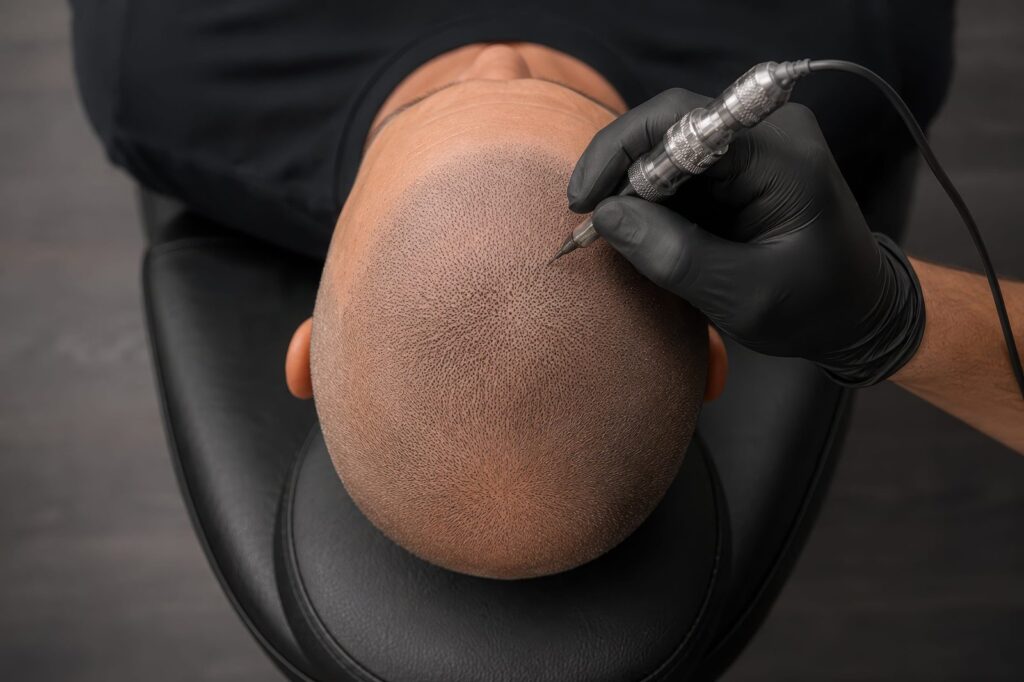
- Uneven fading: Pigment can fade unevenly over time and may change in tone as it settles into the skin.
- An unnatural appearance: A poorly done treatment can look too uniform or too dark, which is part of why choosing an experienced technician matters more than the price tag.
- Infection: As with any procedure that breaks the skin, there’s a small risk of infection if you don’t follow aftercare instructions properly.
- Allergic or skin reactions: Some people may react to tattoo pigments or develop irritation after treatment.
This is why it’s important to choose an experienced practitioner who understands SMP rather than treating the procedure like a standard traditional tattoo.
What Happens After Your Hair Tattoo Treatment?
Right after each session, your scalp may look slightly red or feel tender, similar to a mild sunburn. This usually settles within a day or two. Avoid direct sun exposure, heavy sweating, and swimming for about a week while the pigment settles into place.
Over the following weeks, the color may soften slightly as the skin fully heals, which is normal and part of why multiple sessions are standard practice. Once healed, most people find the upkeep minimal: a bit of sunscreen on the scalp and a touch-up appointment every few years.
Takeaway
A hair tattoo can be a practical cosmetic option if your goal is to make thinning areas less noticeable, create the appearance of a shaved head, or camouflage certain scalp scars. It won’t bring back lost hair, but it can change how your scalp looks.
Before deciding, take some time to understand the cause and pattern of your hair loss. From there, you can compare SMP with other options, including hair transplantation, and choose an approach that fits your goals.
If you’re considering a hair transplant in Istanbul, schedule a free consultation with Dr. Levent Acar to discuss your options.
Hair Tattoo FAQ
Does a hair tattoo actually grow hair?
No. It’s a pigmentation technique that creates the appearance of density or a shaved look. It doesn’t affect hair follicles or stimulate growth.
Can you still grow your hair after SMP?
Yes. SMP doesn’t prevent your existing hair follicles from growing hair. The pigment simply sits within the scalp to create a visual effect.
Can it be combined with a hair transplant?
Yes. Many people use SMP to add density between transplanted grafts or to camouflage scarring from a previous procedure.
How long does the pigment last?
Typically, three to five years before it noticeably fades, though this varies by skin type and sun exposure.
Does scalp micropigmentation hurt?
Some discomfort is possible, but the experience varies from person to person. Practitioners may use a topical numbing product depending on the treatment and local practice.
Is SMP the same as a hair transplant?
No. A transplant moves living hair follicles from one part of the scalp to another. SMP uses pigment to create the appearance of hair without adding follicles.
If you’re researching surgical restoration, Cosmedica’s hair transplant Turkey before and after gallery can give you an idea of how transplanted hair can look at different stages.