



Many women ask, Can birth control cause hair loss? Especially when they notice shedding shortly after starting or stopping contraceptives. Hormonal shifts can influence the hair cycle, and certain birth control methods may trigger temporary hair thinning in sensitive individuals. These changes depend on genetics, hormone levels, and the specific type of contraceptive being used. Understanding how oral contraceptives and other forms of birth control influence hair can help patients make informed decisions.
What Types of Hair Loss Are Linked to Birth Control?
Hair loss related to hormonal medications generally falls into two categories. The first is telogen effluvium. It is a temporary shedding that begins when hormones shift rapidly. The second is female pattern hair loss. This is a genetic condition that may become more noticeable when hormone levels fluctuate.
Birth control can influence several types of hair loss, including:
- Telogen effluvium, often triggered by starting or stopping pills
- Hormone-related hair loss, linked to androgen-sensitive follicles
- Exacerbation of female pattern hair loss in those with a family history
The connection depends largely on whether the contraceptive contains progestin, a synthetic hormone. Some progestins have stronger androgenic effects, which may affect the hair follicles of susceptible individuals, potentially causing hair loss.
Research shows that hormonal medications may shift the hair cycle into a resting state when hormone levels change quickly. This explains why shedding may begin several weeks after starting a new pill.
How Can Contraceptives Affect Hair Volume?

Birth control pills work by influencing estrogen and progestin levels. These hormones help regulate the hair growth cycle. When levels change, shedding may increase temporarily.
Several mechanisms explain the effect of birth control on hair:
- Some pill works to lower estrogen levels
- Certain combinations of birth control pills contain progestins with androgenic properties
- Androgen-sensitive follicles may shrink, including hair loss in vulnerable individuals
In many cases, shedding stabilizes as the body adjusts. However, if the pill causes hair loss due to androgen activity, switching to a different formulation may help.
Studies suggest that contraceptives with low-androgen index progestins may support stability, while high-androgen index pills may trigger thinning in sensitive users.
Which Types of Birth Control Pills Carry a Higher Risk?
Not all contraceptives have the same hormonal profile. Different formulations contain different progestins, estrogens, and dosages.
Higher-risk categories include:
- Pills with androgenic progestins (e.g., levonorgestrel or norethindrone)
- Certain oral contraceptives are labeled as having a high androgen index
- Progestin-only pills in individuals sensitive to hormonal change
- Contraceptives used in women with underlying polycystic ovary syndrome (PCOS)
Lower-risk options often include combination birth control pills with anti-androgenic or neutral progestins, such as drospirenone or desogestrel.
Your doctor may review these options if you experience hormone-related hair loss after changing contraception.
What Symptoms and Signs Should You Watch For?
Birth-control-related thinning is often subtle at first. Many women notice increased shedding before visible thinning appears.
Common early signs include:
- Excessive hair in the shower or brush
- Widening of the part line
- Reduced ponytail volume
- More scalp visibility, especially at the crown
- Overall hair thinning without bald patches
If shedding begins two to three months after a contraceptive change, hormones may be contributing. This timeline aligns with the natural delay of the hair growth cycle.
In some cases, shedding may continue if genetics predispose someone to female pattern hair loss. Identifying early symptoms can help guide treatment choices.
What Should You Do If You Notice Hair Thinning on Birth Control?
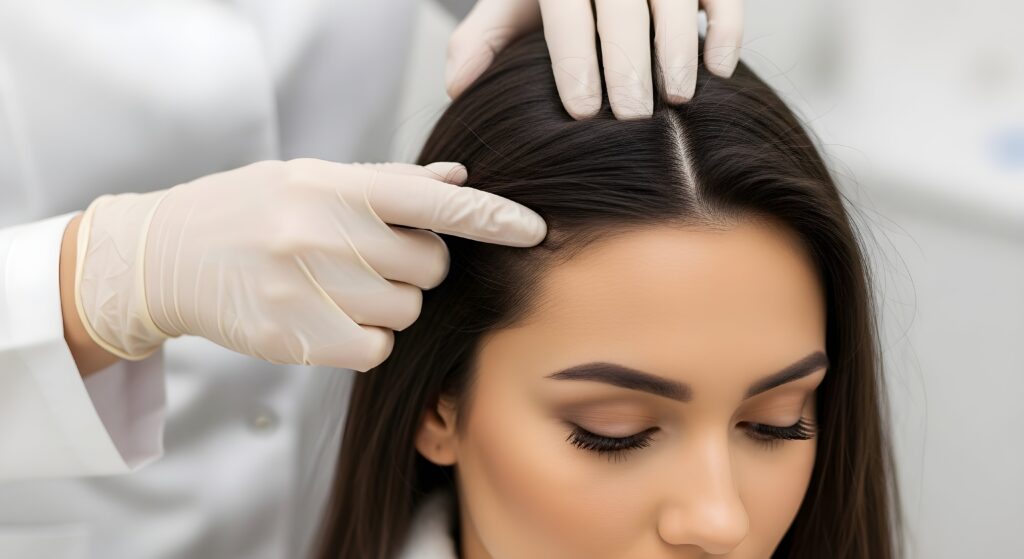
If you suspect your birth control method is linked to shedding, several steps may help. Hair loss is often reversible once hormones stabilize.
Recommended actions include:
- Discuss the issue with a healthcare provider
- Review alternative forms of birth control
- Consider switching to a lower-androgen pill
- Have thyroid, iron, and vitamin levels checked
- Track shedding patterns over several weeks
Supportive measures can help stimulate hair growth during recovery. These include topical minoxidil, low-level laser therapy, and nutritional review. For persistent thinning, a dermatologist may recommend further evaluation.
Research suggests that shedding caused by hormonal fluctuation often improves within 6 months after switching contraceptives.
Can Medical or Surgical Treatments Help Restore Density?
Many women manage contraceptive-related shedding through lifestyle and medical approaches. Some patients also explore long-term restoration methods if thinning becomes pronounced.
Medical options include:
- Minoxidil
- Low-level laser therapy
- PRP
- Nutritional optimization
- Dermatology-guided treatment for hormonal related hair loss
Surgical methods, such as FUE procedures, may help when permanent thinning occurs. You can look at hair transplant Turkey before and after images to visualize the outcomes.
Why Do Some Patients Seek Consultation at Cosmedica?
Cosmedica Clinic in Istanbul is a well-known center for modern FUE-based restoration. Many patients researching treatment options review hair transplant Turkey information to understand how surgical and medical approaches can complement each other.
The clinic also shares hair transplant Turkey before and after results, which help patients see how hair grows in areas where follicles no longer respond to hormonal or medical therapies. Individuals planning their treatment budget often check the Turkey hair transplant cost page to compare package structures and understand what is included.
Final Thoughts
So, can birth control cause hair loss? In some cases, yes. Hormonal changes can alter the growth cycle, especially in those with a family history of androgen sensitivity. Certain pills may trigger shedding, while others may help stabilize hair volume. Understanding how hormonal birth control affects the follicles makes it easier to navigate symptoms and treatment.
Most shedding improves once hormones settle. If thinning becomes persistent, medical therapy or surgical planning may help. Exploring options with a specialist can offer a clearer long-term path.