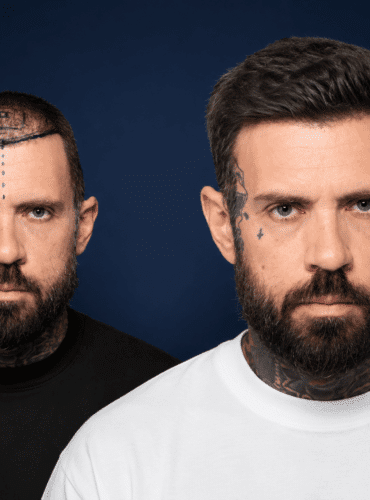
Former Brazilian footballer Cafu, full name Marcos Evangelista de Morais, visited Cosmedica Clinic in Istanbul for a 3,600-graft DHI hair transplant with Dr. Levent Acar.


Former Brazilian footballer Cafu, full name Marcos Evangelista de Morais, visited Cosmedica Clinic in Istanbul for a 3,600-graft DHI hair transplant with Dr. Levent Acar.
The treatment focused on the front, mid-scalp, and a small crown area. Cafu shared his review one day after the procedure and described the clinic as complete, professional, and attentive from arrival to departure.

| Patient | Cafu, 53 |
| Technique | DHI Sapphire |
| Total grafts | 3600 |
| Treatment areas | Front, mid-scalp, small crown area |
| Main goal | Natural-looking restoration across visible thinning areas |
Cafu is one of Brazil’s most recognized former football players. As a public figure, his appearance remains visible in media, events, interviews, and public appearances.
His case involved a 3,600-graft hair transplant, placing it in the 3,500+ grafts range. This graft number is often used when the treatment needs to cover more than a small hairline correction, but does not necessarily require full-scalp restoration.
In Cafu’s case, the grafts were distributed across the front, mid-scalp, and a small crown area. This allowed the treatment plan to improve the most visible areas while still using the donor grafts strategically.

Cafu described Cosmedica as a clinic with strong references in hair treatment and hair transplantation.
He emphasized the level of attention he received throughout the process, from arrival to departure. He also highlighted the staff, the doctor, and the tests performed before the procedure as part of what made the clinic feel complete.
For international patients, these details matter. A hair transplant abroad is not only about the operation itself. It also involves medical assessment, communication, comfort, organization, and trust in the clinical team.
Before the procedure, Cafu underwent the required medical checks and consultation at Cosmedica Clinic. In his review, he specifically mentioned the way Dr. Acar made him feel comfortable during the consultation.

Cafu also said that Dr. Acar asked questions about what he wanted to do and how he wanted his hair to be. This detail is important because a natural hair transplant result depends on individual planning, not only on the number of grafts.
For a 3,600-graft case, the treatment plan must consider the size of the thinning areas, the donor area, the patient’s age, the desired density, and the distribution of grafts between the front, mid-scalp, and crown.
Cafu’s hair transplant focused on three areas:
The front and mid-scalp usually have the strongest visual impact because they affect facial framing and the appearance of density from the front. The crown can require many grafts to create visible fullness, so in Cafu’s case only a small crown area was treated.

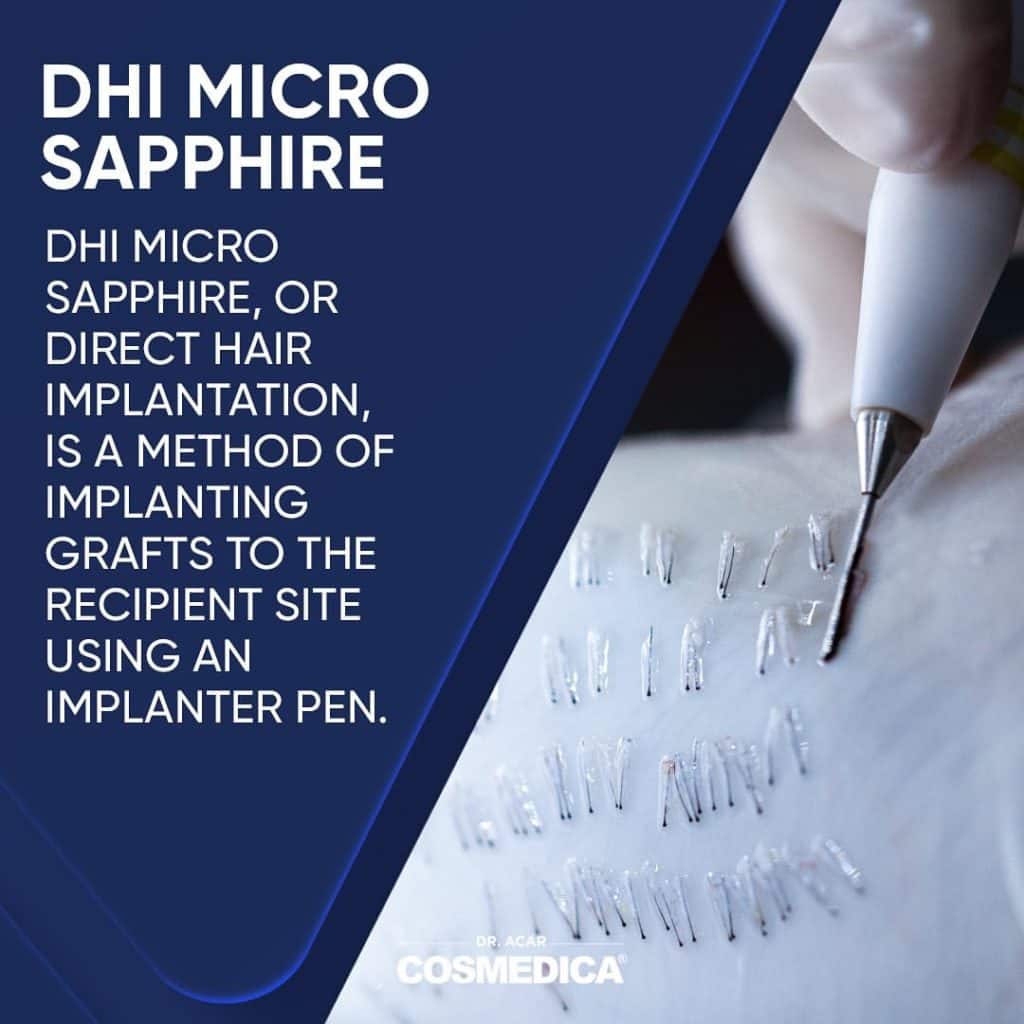
The procedure was performed using the DHI technique.
DHI allows grafts to be implanted with controlled placement, which is especially important when treating visible areas such as the frontal region and mid-scalp. Careful attention to angle, direction, and density helps the transplanted hair blend naturally with the existing hair.
Cafu said the result did not look as though the transplant had only been performed the previous day. His comment highlights the clean early appearance of the treated area immediately after surgery.
If you are considering a hair transplant, a professional consultation is the first step. An assessment helps determine suitability, expected results, and the most appropriate treatment approach.
Cafu described himself as very happy with his experience at Cosmedica Clinic.

He praised the attention of the clinic team, the way Dr. Acar treated him, and the medical checks performed when he arrived. He also said that Dr. Acar made him feel at ease by answering questions and asking what he wanted from the result.
For Cafu, this communication was an important part of the experience. A hair transplant requires trust between the patient and the medical team, especially when the patient is traveling internationally for treatment. Being able to ask questions, explain expectations, and understand the planned approach can help reduce uncertainty before the procedure.
Before the procedure, Cafu had visible thinning in the areas selected for treatment, including the front, mid-scalp, and a small crown area.
One day after the transplant, he said he was very satisfied with the early appearance and noted that the treated area did not look as though the procedure had only been performed the previous day.

Before

Immediately After

12 Months
No. Cafu’s case involved 3,600 grafts, but the correct graft count depends on the individual patient.
A 3,500+ grafts hair transplant may be suitable when the patient needs more than a small correction, but not every patient requires this number of grafts. Some patients may need fewer grafts for a hairline correction, while others may require more for advanced hair loss or full-scalp coverage.
A graft estimate should consider:
A 3,500 grafts hair transplant is generally considered a medium-to-large procedure. It can be used to improve more than one area, depending on the patient’s donor area and hair loss pattern.
A 3,500 grafts hair transplant can often improve the front and mid-scalp, and in some cases may also include limited crown coverage. The exact coverage depends on hair thickness, graft distribution, and the desired density.
Usually, 3,500 grafts are not enough for full-scalp restoration in advanced hair loss cases. The grafts are often prioritized in the most visible areas, such as the hairline and mid-scalp.
The difference between 3,500 and 3,600 grafts is small in practical terms. Both belong to the same graft range. The more important factor is how the grafts are distributed across the treatment areas.
A 3,500+ grafts hair transplant can take several hours and may require most of the day. The exact duration depends on the technique, graft handling, and treatment plan.
Hair transplant results develop gradually. Early growth usually begins after the initial shedding phase, with visible density improving over several months. A mature result is commonly assessed around 12 months.
A 3,500 grafts hair transplant can look natural when the hairline design, graft direction, density, and treatment plan are carefully managed. Natural results depend on both the surgical technique and the patient’s hair characteristics.
A consultation is needed to determine whether 3,500 grafts are suitable. The clinic should assess the thinning area, donor area, hair thickness, age, future hair loss risk, and desired result before recommending a graft count.