



Medically reviewed by Dr. Levent Acar, MD
Founder & Lead Hair Transplant Surgeon
Updated on: July 02, 2026
Many patients considering hair restoration surgery worry about one thing above all else: will my hair transplant look natural?
It’s a fair concern. A successful hair transplant should not look like a “procedure” at all — it should simply look like your own hair, with natural hair growth and balanced hair density.
When performed by an experienced surgeon using modern unit transplants, natural looking hair transplants are absolutely achievable. However, poor planning, outdated methods, or lack of surgical expertise can still lead to artificial-looking results.
In this guide, we explain what makes a hair transplant look natural, which techniques matter most, and how to avoid the most common pitfalls — with real-world examples in mind.
Do Hair Transplants Look Natural?
Yes — when done correctly.
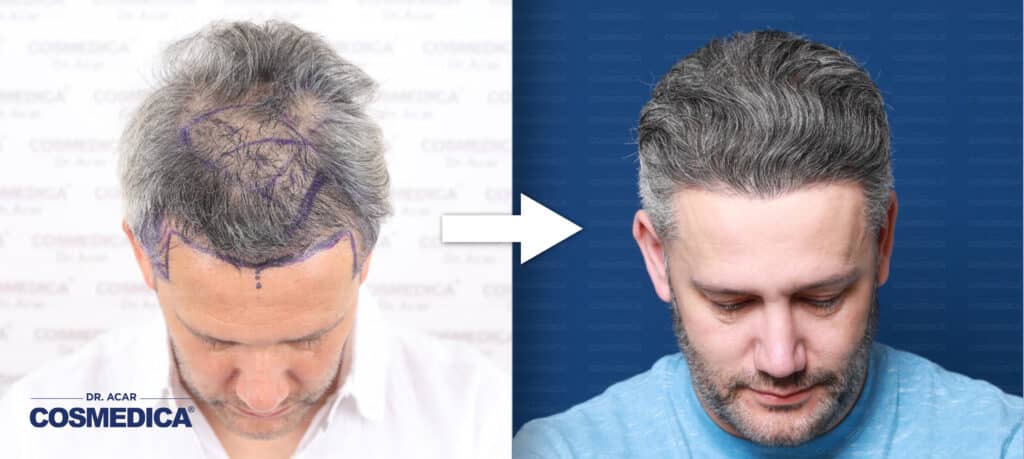
Modern hair transplant procedures are designed to replicate natural hair growth by transplanting each hair follicle in a way that mimics how hair grows naturally. Once the transplanted grafts heal and begin to grow, it should be impossible to distinguish transplanted hair from native hair.
Unnatural-looking results usually occur when:
- Hairlines are drawn too straight or too low
- Hair grafts are implanted at the wrong angle or direction
- Multi-hair grafts are placed in the frontal hairline instead of single hair follicles
- The donor site is overharvested
These issues are not caused by hair restoration surgery itself, but by poor execution and inadequate planning.
What Makes a Hair Transplant Look Natural?
A natural looking hair transplant is the result of many small technical decisions, all focused on creating natural hair growth rather than maximum density alone.
A Naturally Designed Hairline for Natural Looking Results
Natural hairlines are never perfectly straight. They contain small irregularities and micro-zigzag patterns that break symmetry and mimic natural hair growth.
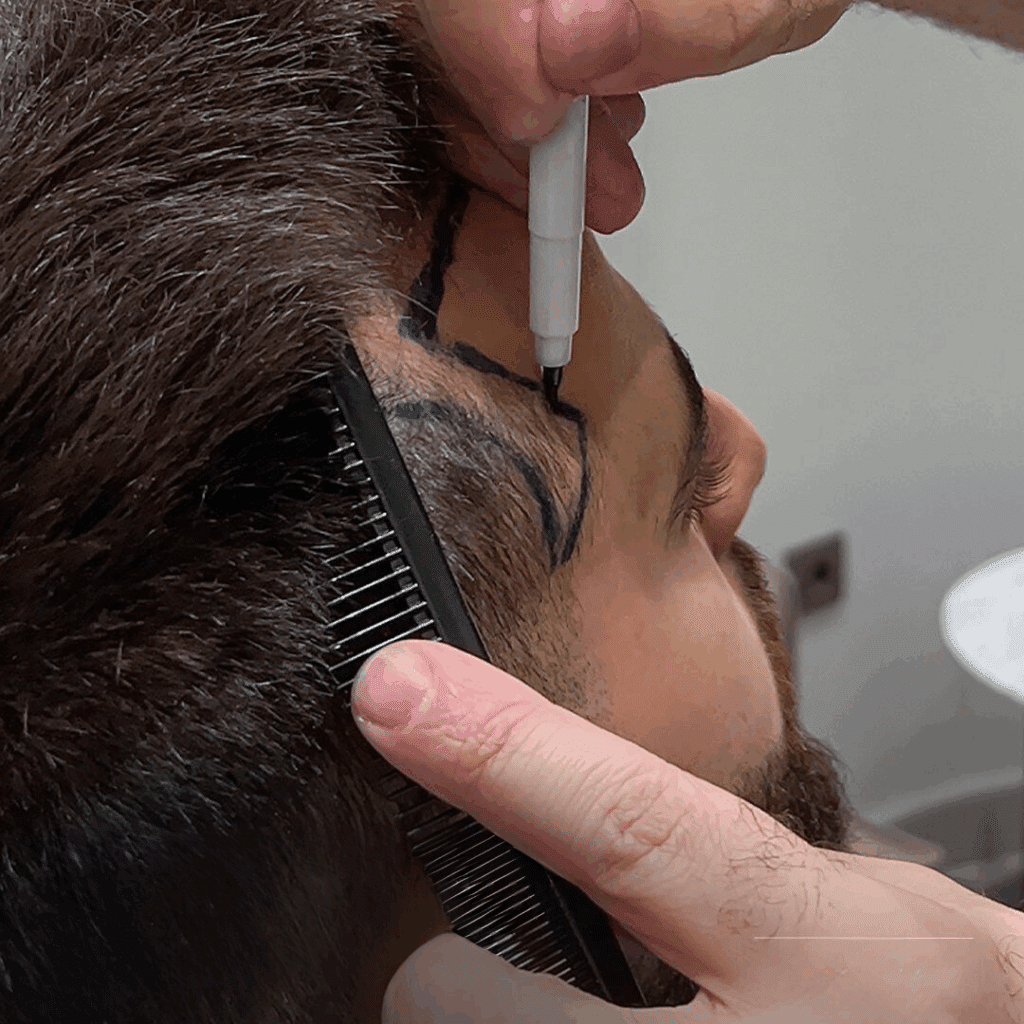
An experienced surgeon will design a hairline that:
- Matches the patient’s age
- Fits their facial proportions
- Gradually transitions in hair density behind the frontal zone
This gradual increase in hair density is essential for avoiding an artificial appearance.
Correct Hair Follicle Selection for a Natural Hairline
Hairs do not grow individually across the scalp — they grow in follicular units, also known as unit transplants. However, hairs at the very front of the hairline often grow as single hair follicles.

For a realistic result:
- Single hair follicles must be placed at the hairline
- Multi-hair follicular units are reserved for areas further back to build hair density
This is extremely delicate work that requires careful separation of each hair follicle under magnification.

Hair Angle, Direction, and Density Control
Hair must be implanted at the correct angle and direction to follow the patient’s natural growth pattern — especially in areas like:
- Temples
- Crown (whorl pattern)
- Frontal transition zone
Even a high number of unit transplants can look natural if hair density is built progressively, rather than packed aggressively at the front of the scalp.
FUE and DHI Techniques for Natural Looking Hair Transplant Results
The technique used — and more importantly, how it is applied during hair restoration surgery — plays a major role in the final appearance.
FUE Hair Transplant Surgery
Follicular Unit Extraction (FUE) involves removing and implanting individual hair follicles from the donor site. This allows for:
- Precise follicle placement
- Minimal scarring at the donor site
- Natural hair growth patterns
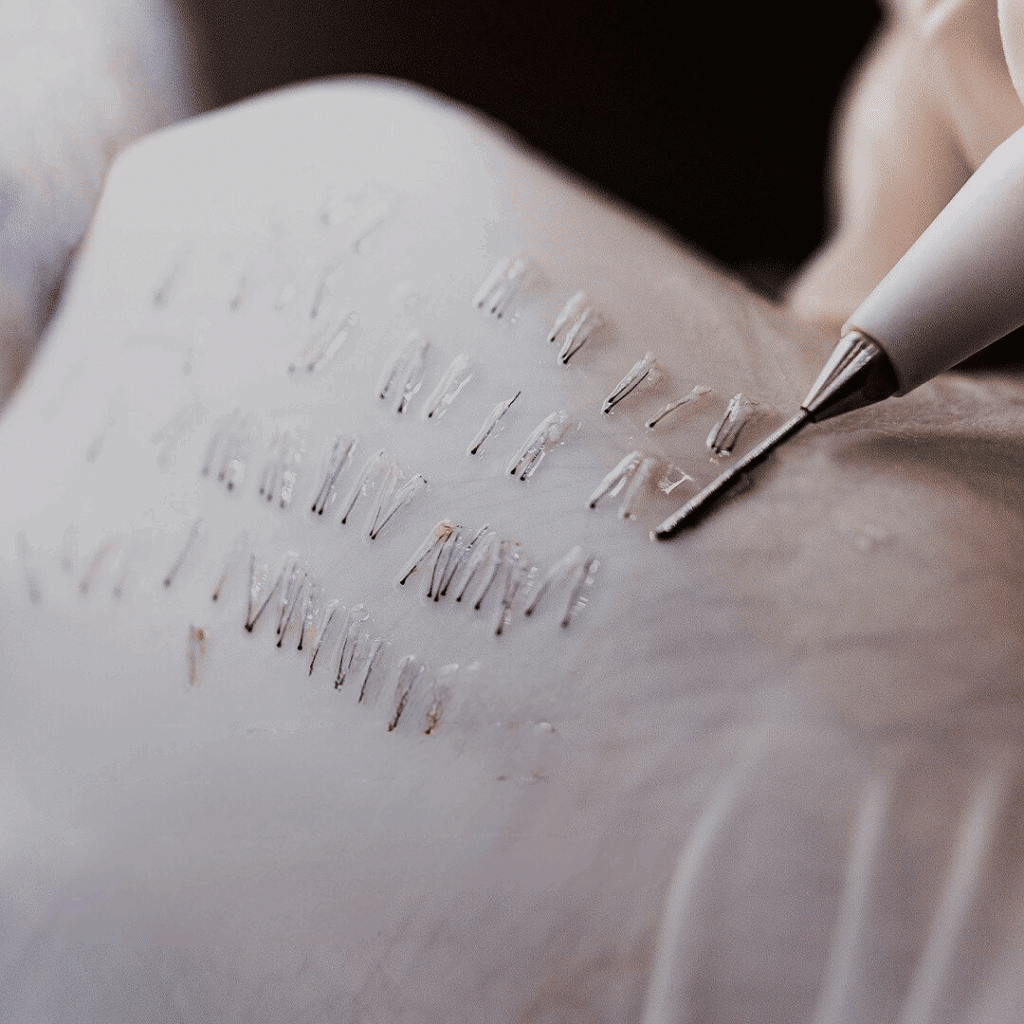
When performed by an experienced surgeon, FUE hair restoration surgery can produce excellent, natural results with long-term donor site preservation.
DHI Hair Transplant Technique
Direct Hair Implantation (DHI) takes precision a step further by using a specialised implanter pen to place each hair follicle directly into the recipient area.
This allows the surgeon to:
- Control angle, depth, and direction simultaneously
- Reduce handling of fragile hair follicles
- Precisely manage hair density in the hairline and crown
Modern DHI implanter pens are especially useful when creating natural hairlines and when working in high-visibility areas.
Sapphire DHI and Micro Sapphire Tools
Advanced tools such as micro sapphire blades allow for finer incisions than traditional steel instruments. This results in:
- Reduced tissue trauma
- Faster healing
- Improved hair follicle survival
- More natural-looking hair density

At Cosmedica Clinic, Dr. Acar specialises in the Sapphire DHI technique, combining precision tools with careful hairline planning to achieve highly realistic outcomes.
Common Pitfalls That Cause Unnatural Hair Transplant Results
Despite modern techniques, poor results can still occur in hair restoration surgery.
Unnatural Hairline Design
A straight, low, or overly dense hairline is one of the most obvious signs of a bad hair transplant. Once created, it can be difficult to fully correct — even with additional unit transplants.
Overharvesting the Donor Site
Removing too many hair follicles from the donor site can lead to:
- Patchy thinning
- Visible scarring
- Permanent damage to the donor area
This is especially problematic for younger patients who may continue losing hair and need future hair restoration surgery.
A responsible surgeon always plans for the future availability of hair follicles, not just the immediate result.
Realistic Expectations and Long-Term Planning
A natural looking hair transplant is not just about today — it’s about how your hair will look years from now.
Key considerations include:
- Ongoing hair loss
- Donor site limitations
- Sustainable hair density
- Age-appropriate hairline design
- Possible future hair restoration surgery
In some cases, spreading unit transplants across multiple sessions produces a more natural and balanced result than attempting excessive density in a single procedure.
Do Hair Transplants Grow Like Natural Hair?
Yes. Once transplanted hair follicles begin growing, they behave like natural hair:
- They grow in normal cycles
- They can be cut and styled
- They blend seamlessly with existing hair
It takes several months for transplanted hair follicles to fully mature. By 6–12 months, the hair typically achieves a natural look with consistent hair density.
FUT Technique vs FUE and DHI for Natural Looking Results
In addition to FUE and DHI, the FUT technique (Follicular Unit Transplantation) is another method of hair restoration surgery. FUT involves removing a strip of tissue from the donor site and dissecting it into unit transplants.
While the FUT technique can still produce natural hair growth when performed correctly, it may leave a linear scar at the donor site. For this reason, many patients seeking discreet, natural looking hair transplants prefer FUE or DHI.
Why Surgeon Experience Matters More Than Technique
Technology alone does not guarantee success in hair restoration surgery. At Cosmedica Clinic, Dr. Acar places strong emphasis on:
- Careful preparation of each hair follicle
- Using single hair follicles at the hairline
- Conservative, natural hairline design
- Long-term donor site management

This level of attention to detail is essential for creating natural hair transplant results that age well over time.
How to Achieve a Natural Looking Hair Transplant
To maximise your chances of a natural result:
- Choose an experienced, medically led hair restoration surgery clinic
- Prioritise hairline design and hair density planning
- Use modern FUE, DHI, or carefully selected FUT technique approaches
- Avoid clinics that overpromise graft numbers
- Follow aftercare instructions to protect each hair follicle
A hair transplant should never look like a hair transplant.
FAQ
What techniques are best for natural looking hair transplants?
FUE, DHI, and in some cases the FUT technique can all deliver natural results when performed correctly. The key factor is how individual hair follicles are selected and implanted.
How long does it take for a hair transplant to look natural?
Most patients see natural-looking results between 6 and 12 months, once hair follicles have fully matured and hair density stabilises.
Why is hairline design so important?
The hairline is the most visible part of a hair transplant. Poor design or incorrect placement of hair follicles is immediately noticeable.
Can a hair transplant look too dense?
Yes. Excessive hair density at the front often looks artificial. Natural results rely on gradual density progression.
Book a Free Consultation
If you’re considering hair restoration surgery and want a result that looks completely natural, a personalised consultation is the best first step.
At Cosmedica Clinic, we focus on achieving natural hair growth, balanced hair density, and long-term donor site safety.