


Elon Musk is one of the most recognizable figures in the world, known for leading companies such as Tesla, SpaceX, and X.
Alongside his professional achievements, Musk’s personal appearance has also been closely documented over the past three decades.
One aspect that has drawn persistent attention is his hair and the visible changes to his hairline over time.
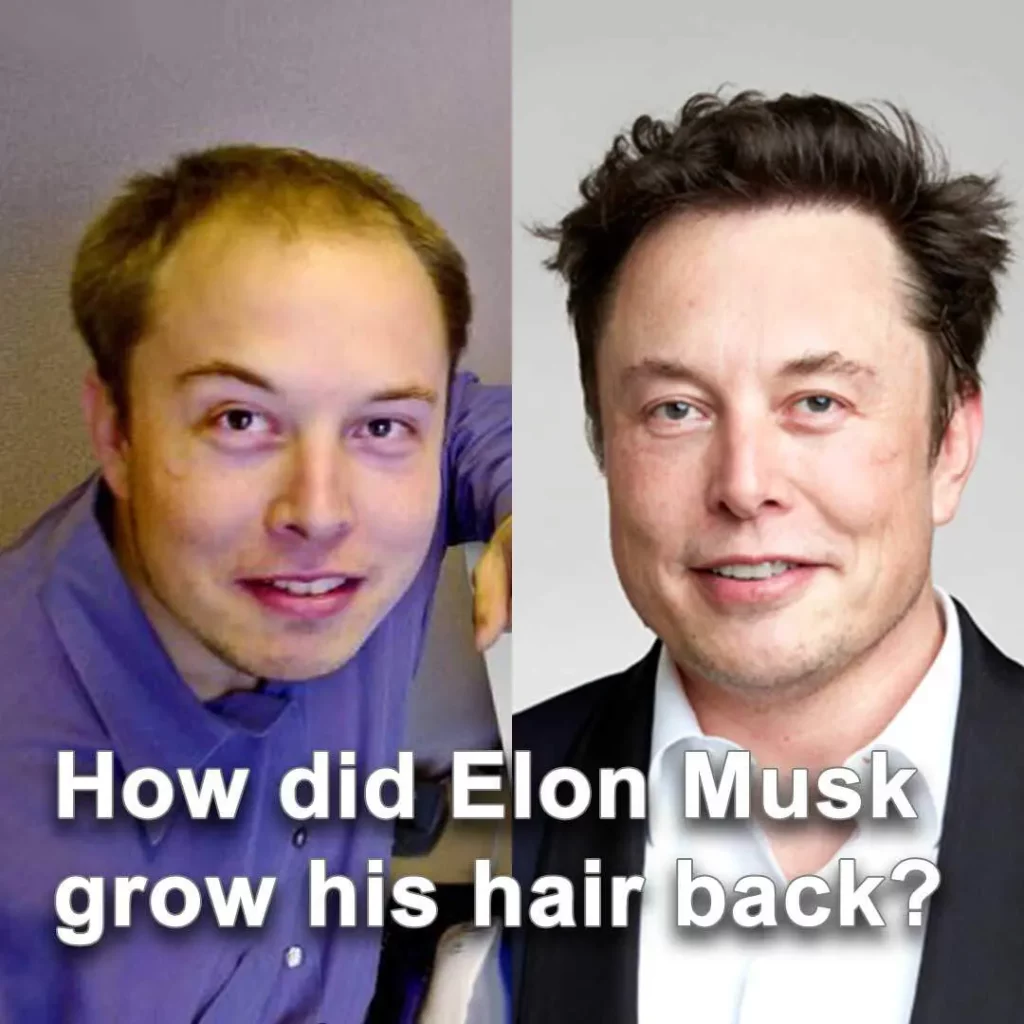
Public curiosity around a possible Elon Musk hair transplant is driven not by confirmation, but by photographic evidence, medical plausibility, and expert interpretation.
This article examines those elements objectively, without assuming or confirming any medical procedure.
Key Takeaways
- Elon Musk has never publicly confirmed undergoing hair transplant surgery or any other hair restoration procedure.
- Early photographs from the late 1990s and early 2000s show a progressive male hair loss pattern (androgenetic alopecia), which typically does not reverse naturally.
- By the mid-2000s, Musk’s hairline appears noticeably fuller and more stable, with visible hair growth in areas that usually require medical or surgical intervention.
- Based on the timing of the transformation and the hair restoration techniques available at the time, many specialists believe a FUT hair transplant (strip surgery) is the most medically plausible explanation.
- Some experts suggest that achieving the current density may have required multiple procedures and a high number of grafts, though no official figures exist.
- Alternative explanations such as styling or medication alone are generally considered insufficient to account for long-term, sustained results of this nature.
- Individual hair transplant outcomes vary widely and depend on factors such as hair loss pattern, donor area quality, and the type of hair transplant selected.
Elon Musk’s Hair Loss Pattern in Early Public Appearances
Photographs of Elon Musk from the late 1990s and early 2000s show a clear and progressive hair loss pattern.

Thinning is visible across the frontal hairline and temples, consistent with male pattern baldness (androgenetic alopecia).
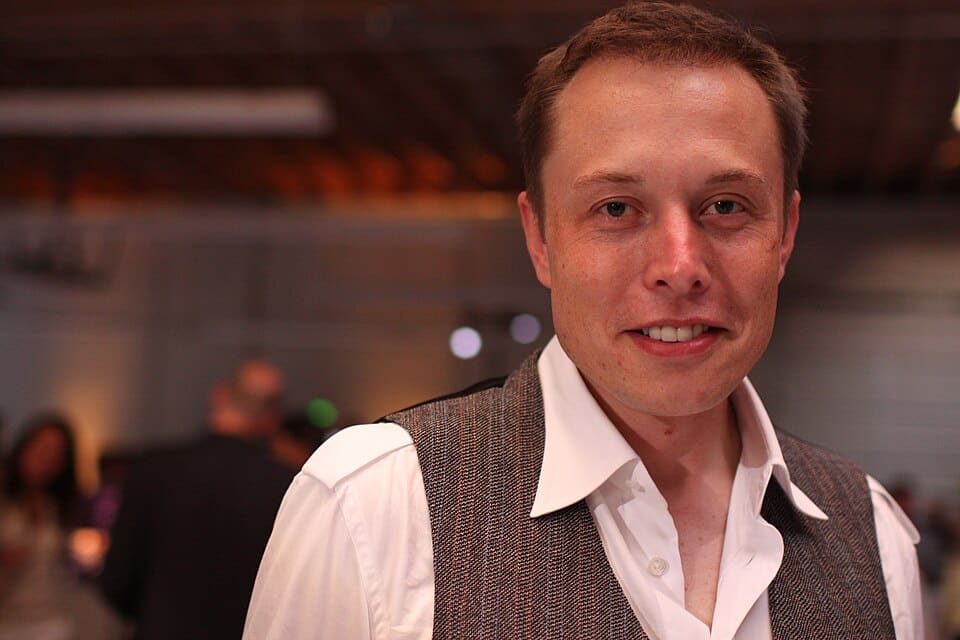
This condition typically follows a predictable progression:
- Recession at the temples
- Thinning at the frontal scalp
- Gradual loss of density over time

Without intervention, this type of hair loss does not reverse naturally and usually continues to progress with age.
A Noticeable Shift: Hair Growth and Long-Term Stability Over Time
By the mid-2010s, Musk’s hair appeared noticeably denser, with a gradually more stable and defined frontal hairline.

In subsequent years, this appearance slightly improved across public events, interviews, and media appearances.

In subsequent years, this appearance slightly improved across public events, interviews, and media appearances.
From a medical standpoint, sustained hair growth in areas previously affected by advanced thinning is uncommon without some form of intervention.
Temporary factors such as styling, lighting, or cosmetic products may enhance appearance short term, but they do not typically result in long-term stabilization.
This sustained change is the primary reason speculation about hair transplant surgery continues.
Has Elon Musk Ever Confirmed a Hair Transplant?
No. Elon Musk has never confirmed undergoing a hair transplant or any other hair restoration procedure.
When asked indirectly, he has responded humorously rather than definitively. As a result, all analysis surrounding this topic is based on:
- Publicly available images
- Known medical outcomes
- Expert commentary on hair restoration techniques
There are no verified medical records or formal admissions.
Expert Analysis: What Could Explain Elon Musk’s Hair Transformation?
Hair restoration specialists who analyze celebrity cases often focus on what is medically plausible rather than what is publicly stated.
According to general expert consensus:
- Advanced male pattern baldness does not reverse spontaneously
- Medication may slow loss but rarely restores a receded hairline
- Significant, lasting improvement is most commonly associated with hair transplant surgery

Some experts suggest that the observed transformation could be the result of multiple procedures performed over time, rather than a single intervention.
These assessments remain professional opinions, not confirmations.
Hair Restoration Techniques That Align With Elon Musk’s Timeline
Understanding the available hair restoration techniques during the early 2000s provides context for what type of hair transplant may have been possible.
Follicular Unit Transplantation (FUT / Strip Surgery) Explained
FUT, also known as strip surgery, was the most widely used hair transplant technique at the time.
The procedure involves removing a strip of skin from the donor area at the back of the scalp. From this strip of skin, a specific number of grafts are dissected and transplanted into areas affected by hair loss.
This type of hair transplant allows for a high number of grafts in a single session and was commonly used for patients with advanced frontal recession.
Follicular Unit Extraction (FUE Hair Transplant) Explained
A FUE hair transplant extracts individual follicular units directly from the donor area without removing a strip of skin.
While this method is less invasive and leaves minimal scarring, it became widely accessible later.
Some clinics offered early versions of FUE, but it was not as common at the time Musk’s hair transformation appears to have occurred.
Based on timing alone, many specialists suggest that strip surgery, potentially followed by refinement procedures, would be the most plausible explanation.
Could Non-Surgical Factors Explain It?
Alternative explanations often cited include:
- Hair styling techniques
- Improved grooming
- Lighting and camera angles
- Prescription medications
While these factors can enhance cosmetic appearance, they are unlikely to permanently change a receding hair loss pattern or produce dense hair growth in previously bald areas.

This limitation is why non-surgical explanations are generally viewed as insufficient on their own.
However, it is not impossible to regrow hair in completely bald areas, even if the hair follicles had been miniaturised for years already.
There is anecdotal evidence for so-called hyper-responders, who were able to regrow a lot, if not all of their hair with the help of prescription medication such as Finasteride, Dutasteride and Minoxidil.
Why Celebrity Hair Transplants Attract So Much Public Attention
Hair loss affects millions of men worldwide, making high-profile cases particularly relatable.
When a public figure appears to reverse visible hair loss, it naturally leads to interest in modern hair restoration techniques and outcomes.
Celebrity cases also reflect broader changes:
- Hair transplant surgery has become more refined
- Results can appear natural when performed correctly
- Discussing hair loss is increasingly normalized
These factors contribute to ongoing public fascination.
Important Context: Individual Hair Transplant Results and Expectations
Whether or not Elon Musk underwent a hair transplant, his case should not be viewed as a guaranteed outcome for others.
Successful hair restoration depends on several variables:
- Individual hair loss pattern
- Donor area quality
- Chosen type of hair transplant
- Surgeon experience and planning
Results vary significantly from person to person.
Considering Hair Restoration as an Option for Hair Loss
Many people researching celebrity hair loss eventually explore their own options.
A reputable hair transplant clinic will typically assess candidacy, determine the most appropriate type of hair transplant, and estimate the number of grafts required based on the extent of hair loss.
Consultations should focus on medical suitability, realistic expectations, and long-term planning rather than celebrity comparisons.
Final Thoughts on Elon Musk’s Hair Transplant Speculation
Elon Musk’s hair transformation remains unconfirmed, but it continues to be cited as a visible example of what modern hair restoration may achieve under the right conditions.
While speculation persists, the broader takeaway is grounded in medical reality: hair loss is common, treatments have evolved, and informed decision-making matters more than celebrity outcomes.
Frequently Asked Questions About Elon Musk’s Hair Transplant
Did Elon Musk get a hair transplant?
Elon Musk has never publicly confirmed undergoing a hair transplant or any form of hair transplant surgery. All claims are based on publicly available photographs, long-term changes in his hairline, and expert interpretation rather than verified medical records.
When did Elon Musk’s hair start to change?
Photographic comparisons suggest that Elon Musk’s hair began to appear fuller in the early to mid-2000s. Before that period, images show a receding hairline and thinning consistent with a progressive male hair loss pattern.
Can hair loss reverse naturally?
In most cases, advanced male pattern baldness does not reverse naturally. While medications may slow further hair loss, they rarely restore hair growth in areas where follicles have already stopped producing hair.
What type of hair transplant could Elon Musk have had?
Based on the timing of the apparent transformation, many experts suggest that Follicular Unit Transplantation (FUT), also known as strip surgery, would have been the most widely available option at the time. This type of hair transplant involves removing a strip of skin from the donor area and transplanting a specific number of grafts into thinning areas. Some specialists also speculate that multiple procedures may have been performed over time.
Could a FUE hair transplant explain the change?
A FUE hair transplant extracts individual follicles rather than removing a strip of skin. While this method is common today, it was less widely available in the early 2000s. For that reason, experts consider FUE a less likely explanation unless the procedure occurred later or involved early-stage techniques.
How many grafts would be needed for results like this?
Estimates vary, but experts analyzing similar hair loss patterns suggest that restoring a receding hairline and frontal scalp could require several thousand grafts. The exact number of grafts depends on donor hair density, hair characteristics, and the chosen hair restoration techniques.
Can styling or medication alone create this result?
Styling, lighting, and grooming can improve cosmetic appearance, but they do not permanently alter a receding hair loss pattern. Medications may help preserve existing hair but typically cannot create long-term hair growth in previously bald areas.
Are celebrity hair transplant results realistic for everyone?
Not necessarily. Hair restoration outcomes depend on individual factors such as hair loss pattern, donor area quality, age, and the type of hair transplant chosen. Celebrity results should not be considered guaranteed or typical.
How should someone explore hair restoration options?
Anyone considering treatment should consult a reputable hair transplant clinic for an evaluation. A proper consultation assesses candidacy, discusses suitable hair restoration techniques, and sets realistic expectations based on individual hair loss rather than celebrity examples.