




Medically reviewed by Dr. Levent Acar, MD
Founder & Lead Hair Transplant Surgeon
Updated on: September 11, 2026
Yes, Lexapro (escitalopram) can cause a temporary form of hair loss called telogen effluvium in some patients, though it is not officially listed as a common side effect. This guide explains why it happens, how long it typically lasts and what you can do about it.
Hair shedding while taking an SSRI can be distressing, especially when you are already managing depression or anxiety. Below we cover the biological causes, how Lexapro compares to other antidepressants and the treatment options available if shedding does not resolve on its own.
Quick Facts: Lexapro and Hair Loss
Question | Quick Answer |
|---|---|
Does Lexapro cause hair loss? | Yes, in some patients, through a temporary condition called telogen effluvium |
Is it a common side effect? | No. It is not officially listed, but it has been reported in case observations |
Is it reversible? | Usually, once the medication is stopped or the body adjusts |
When does it typically start? | Often within the first few months of starting treatment |
What helps manage it? | Nutrition support, stress reduction, gentle hair care and speaking to your doctor about alternatives |
Does Lexapro Cause Hair Loss?
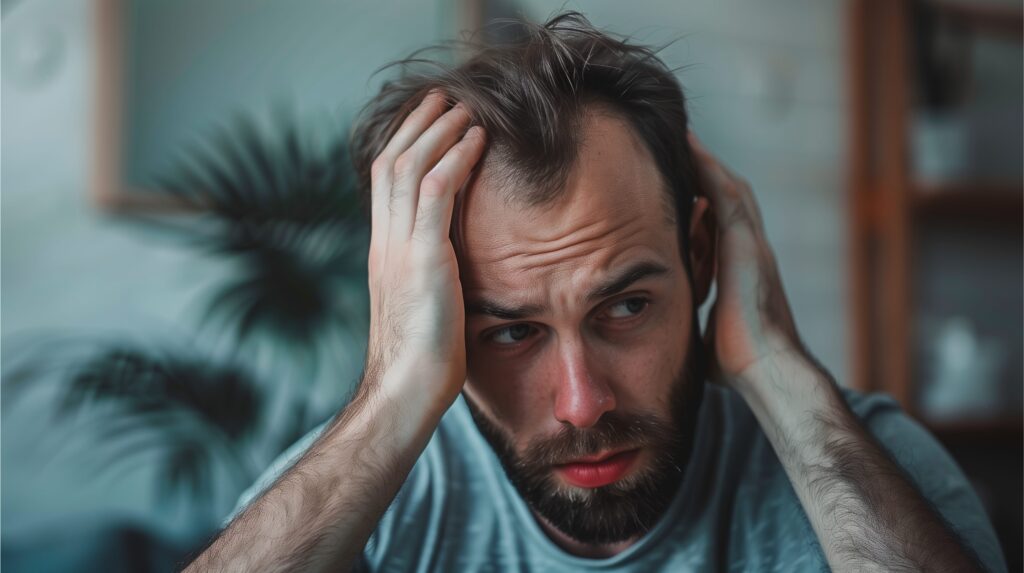
Hair loss is not listed as an official common side effect of Lexapro (escitalopram). Yet clinical case reports suggest the medication can contribute to excessive shedding in a subset of patients.
The exact biological mechanism behind Lexapro hair loss is not entirely clear. What is understood is that Lexapro can trigger telogen effluvium, a recognized mechanism of drug-induced hair shedding, a temporary form of hair shedding in which follicles enter the resting phase prematurely, leading to increased shedding and diffuse thinning. Researchers have proposed several contributing factors, discussed in more detail in our guide to the reasons for hair loss.
Hormonal Changes
SSRIs like Lexapro can alter estrogen and prolactin levels through documented hormonal effects of SSRIs, which can affect the hair growth cycle. Hormonal shifts may push more follicles into the resting (telogen) phase.
Nutritional Impacts
Protein, zinc, iron, and vitamin D deficiencies can disrupt the hair cycle, and SSRIs have been associated with reduced absorption or increased depletion of some of these micronutrients.
Effect on the Hair Growth Cycle
Some evidence suggests SSRIs may interfere with the normal cycling of hair follicles by altering serotonin pathways involved in regulating hair growth.
Stress as a Compounding Factor
Anxiety and depression themselves are known contributors to hair shedding, independent of medication. See our dedicated guide on stress and hair loss for more details on this overlap.
Not everyone taking Lexapro will experience hair loss. Genetics, age, nutritional status, and underlying medical conditions all play a role.
SSRI and Antidepressant Hair Loss Risk Comparison
The table below summarizes reported hair loss risk across common antidepressants, based on case reports and clinical observation rather than large-scale controlled trials.
Medication | Drug Class | Reported Hair Loss Risk | Mechanism |
|---|---|---|---|
Escitalopram (Lexapro) | SSRI | Uncommon, but reported | Telogen effluvium |
Bupropion (Wellbutrin) | NDRI | Higher relative risk among antidepressants | Telogen effluvium |
Fluoxetine (Prozac) | SSRI | Reported in case studies | Diffuse shedding |
Sertraline (Zoloft) | SSRI | Reported, appears lower risk than some SSRIs | Telogen effluvium |
Paroxetine (Paxil) | SSRI | Reported | Diffuse thinning |
Amitriptyline (Elavil) | Tricyclic | Reported | Disrupted hair growth cycle |
Phenelzine (Nardil) | MAOI | Reported | Premature telogen phase entry |
Note: risk levels are based on case reports and clinical observation rather than large, controlled trials. Individual response varies, and hair loss risk depends on dosage, treatment length and personal health factors. Always consult your doctor before changing medication.
Hair loss risk can vary based on the specific medication, dosage and length of treatment. Not all patients will experience shedding with these antidepressants, and consulting a doctor is recommended for a personalized risk assessment.
What Antidepressants Are Less Likely to Cause Hair Loss?
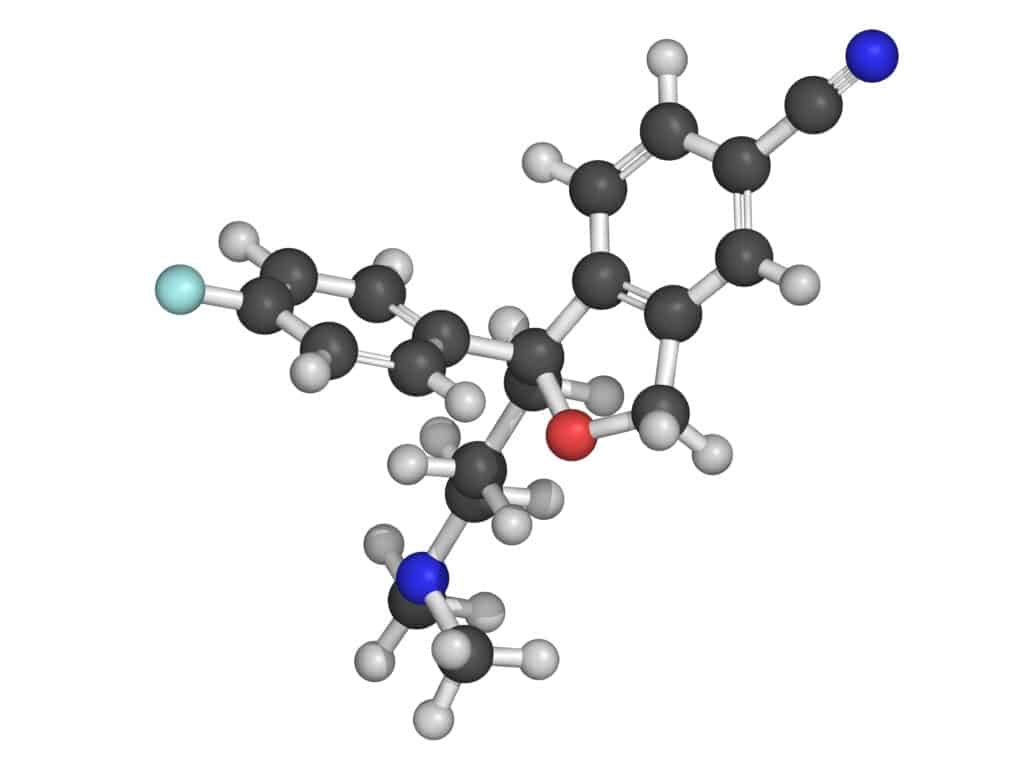
No medication is entirely free from potential side effects, but mirtazapine (Remeron) and venlafaxine (Effexor) are less commonly associated with reported hair loss than SSRIs like Lexapro or Paxil. Hair loss may still occur with these medications in some patients, so this should not be treated as a guarantee.
Does Changing Your Antidepressant Cause Hair Loss?
Switching antidepressants can itself trigger a temporary shedding phase, separate from whether the new medication is more or less associated with hair loss. This is often linked to changes in neurotransmitter signaling during the adjustment period, alongside the physiological stress of discontinuation and re-titration.
If you are considering a switch, do so under medical supervision rather than stopping abruptly, both for your mental health treatment continuity and to avoid compounding any hair shedding already in progress.
Does Hair Grow Back After Stopping Lexapro?
In most cases, hair affected by Lexapro-induced telogen effluvium regrows once the medication is stopped or the body adjusts, typically within a recovery window of six to twelve months. This assumes no other underlying causes of hair loss are present.
If shedding continues well beyond this window or density does not fully recover, it may indicate a separate or compounding cause, such as androgenetic alopecia, and warrants a proper evaluation rather than assuming the medication is solely responsible. Our guide on hair transplant process outlines what a professional evaluation and treatment path looks like if regrowth stalls.
How to Stop Hair Loss from Lexapro?

If you are experiencing Lexapro hair loss, there are several strategies to help manage it.
Adjust Medication
Speak to your doctor about lowering your Lexapro dosage or switching to an alternative antidepressant such as mirtazapine or venlafaxine, which are less commonly linked to hair shedding.
Improve Nutrition
Ensure adequate intake of nutrients that support hair growth, including protein, iron, zinc, biotin and vitamin D.
Reduce Stress
High stress can exacerbate telogen effluvium. Practices like meditation, yoga or other relaxing activities can help. See our guide on stress and hair loss for more strategies.
Use Gentle Hair Care
Avoid excessive styling, heat, chemical treatments and vigorous brushing, which can further stress fragile follicles. A gentle, sulfate-free shampoo is recommended.
Try Hair Growth Treatments
Medications like minoxidil and low-level laser therapy can stimulate hair growth by reactivating follicles in the resting phase.
Consider a Hair Transplant
If shedding does not resolve and results in more permanent thinning, a hair transplant in Turkey may be an effective long-term solution to restore natural-looking density. Learn more about how the hair transplant process works or explore the Turkey hair transplant costs.
Conclusion
Lexapro can be an effective treatment for depression and anxiety, but the potential side effect of hair loss is a valid concern for many patients. A proactive approach, including proper nutrition, reduced stress and gentle hair care, can help manage shedding while your body adjusts.
If you are experiencing Lexapro hair loss, speak with your doctor first. If excessive or persistent shedding continues, treatments such as minoxidil, laser therapy or a hair transplant can help restore your hair.
Cosmedica Clinic offers advanced hair restoration options using modern techniques including Sapphire FUE and Micro Sapphire DHI. Do not let concerns about hair loss deter you from getting the mental health treatment you need. Our team can provide a free hair analysis and personalized guidance to help you manage medication-induced hair loss with confidence.
Frequently Asked Questions
Does Lexapro definitely cause hair loss?
No. Hair loss is not an officially listed common side effect of Lexapro, but it has been reported in some patients, typically as telogen effluvium, a temporary shedding condition rather than permanent hair loss.
How long does Lexapro hair loss last?
Shedding typically begins within the first few months of starting treatment and resolves within three to six months, either as the body adjusts or after the medication is stopped, provided there are no other contributing causes.
Is Lexapro worse for hair loss than other SSRIs?
Reported risk varies by medication. Bupropion has a relatively higher reported association with hair shedding among antidepressants, while mirtazapine and venlafaxine are less commonly linked to it than Lexapro, Prozac, or Paxil.
Can a hair transplant fix medication-induced hair loss?
A hair transplant can restore density in areas affected by prolonged thinning, but it is generally recommended only after medication-induced shedding has stabilized, since active telogen effluvium can affect transplant planning and results.