




Medically reviewed by Dr. Levent Acar, MD
Founder & Lead Hair Transplant Surgeon
Updated on: September 11, 2026
For many women, hair is a token of femininity, identity, and self-confidence. So, a condition like frontal fibrosing alopecia can be emotionally devastating. This scarring hair loss disorder slowly and permanently destroys the hair follicles, thus leading to a receding hairline or band-like alopecia.
Although the exact cause of this alopecia is still up for debate, we know it predominantly affects post-menopausal Caucasian women. However, it can also impact people of other genders, ages, or ethnicities. While some theories suggest the involvement of an autoimmune component or genetic predisposition, the clinical manifestations usually vary.
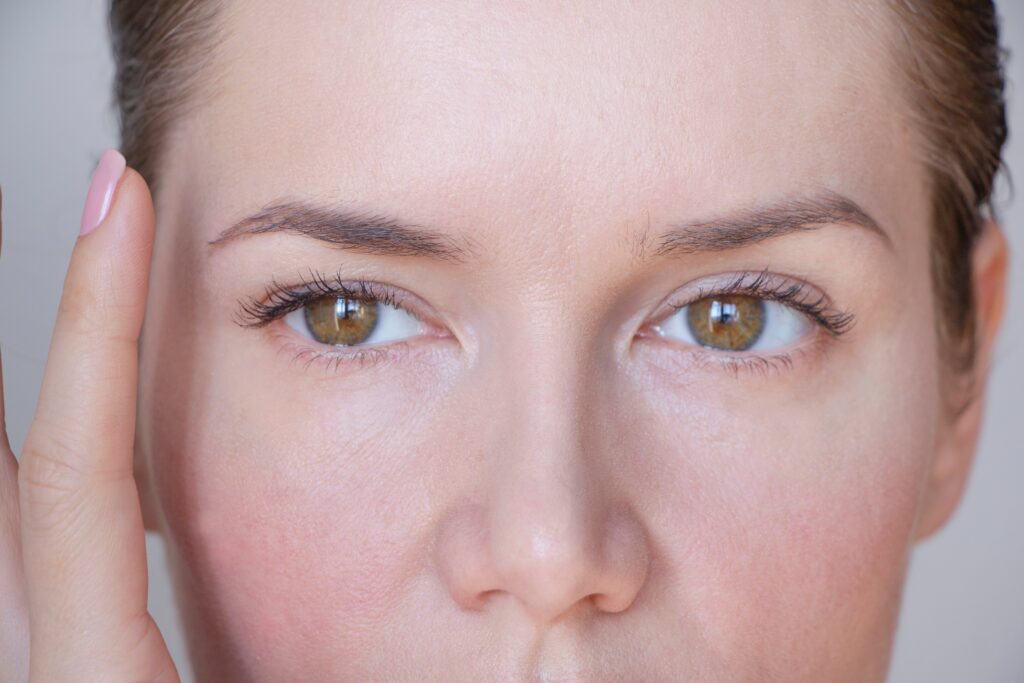
Many women first notice a gradual thinning or recession along their frontal hairline. As the disorder progresses, the hairline recedes in a linear pattern. Sparse eyebrows are another telltale sign, especially on the outer portions. Eventually, the affected areas become smooth, scarred, and devoid of hair follicles.
The issue is that there are no definitive cures for this type of hair loss. However, early diagnosis and intervention are crucial for managing the progression. Fortunately, various treatment options exist, such as corticosteroid and regenerative therapies.
Hair transplants are also an excellent option, however they might be a bit more costly. They show promise in halting the inflammation and preserving the existing hair follicles.
What is Frontal Fibrosing Alopecia?

Frontal fibrosing alopecia (FFA) is a form of “cicatricial” or scarring alopecia. It is a clinical variant of lichen planopilaris (LPP). LPP is an inflammatory condition where the immune system attacks the hair follicles.
Even though the exact mechanisms behind FFA remain unclear, it may involve targeting the follicles along the frontal hairline and eyebrow regions. What sets this type of hair loss apart is its particular pattern of hair loss. FFA does not cause diffuse thinning or patchy baldness. It is a progressive, permanent hair loss along the frontal hairline and eyebrows.
Frontal Fibrosing Alopecia: A Review, outlined that FFA differs from the common female pattern of hair loss. The hairline recedes in a linear, band-like pattern as the condition advances. The affected areas become smooth and scarred – preventing any future hair growth. In its early stages, FFA may appear innocuous and may involve minor hairline recession or brow thinning.
But, this scarring alopecia can lead to permanent hair and eyebrow loss. Prompt diagnosis is critical, as the scarring is irreversible after hair follicle destruction. Another hallmark of FFA is the involvement of the eyebrows. There can be a partial or complete loss of the outer one-third of their eyebrows.
This area corresponds to the same pattern seen along the frontotemporal hairline. Thus, it further distinguishes FFA from other hair loss disorders.
Who Gets Frontal Fibrosing Alopecia?
FFA can affect individuals of any age, gender, or ethnicity. But, specific demographics are at higher risk for developing this condition.
Post-menopausal Women
Post-menopausal frontal fibrosing hair loss is the most common type of FFA. Studies suggest that hormonal shifts associated with menopause may play a contributory role.
Caucasian Ethnicity
FFA can affect people across various ethnic backgrounds. But it is most prevalent among women of Caucasian or European descent. Some researchers hypothesize that genetic factors could be a factor.
It’s important to note that these demographic factors may increase one’s risk. However, they do not guarantee the development of frontal fibrosing hair loss. Conversely, individuals who do not fall into these categories can still be affected. Genetics, hormones, immunological and environmental factors likely contribute to the manifestation of FFA.
What Causes Frontal Fibrosing Alopecia?
The exact cause of frontal fibrosing hair loss is still unknown. But several factors can play a role in its development:
Autoimmune Disease
FFA is a variant of lichen planopilaris, an inflammatory condition that attacks hair follicles. Researchers suspect an autoimmune component may contribute to this process.
Environmental Factors
Some studies suggest that ultraviolet radiation, or particular medications, could trigger FFA. UV damage could stimulate an inflammatory response that activates the autoimmune processes.
Genetic Predisposition
Familial cases of FFA have suggested a potential genetic component. These familial cases suggest that genetic predispositions could make some people more susceptible.
What are the Clinical Features of Frontal Fibrosing Alopecia?
The primary clinical features of may include:
- Gradual loss of hair along the frontal hairline, leading to a band-like hair loss
- Eyebrow loss or thinning, particularly in the outer portions
- Smooth, scarred skin in the affected areas, devoid of any hair follicles
- Potential involvement of other areas, such as the underarms, legs, or pubic region
Diagnosing Frontal Fibrosing Alopecia
Clinical examinations and laboratory tests are required to diagnose frontal fibrosing hair loss. A dermatologist will examine the pattern and appearance of hair loss.
They will also test for any associated symptoms. A scalp biopsy can confirm the diagnosis and rule out other conditions.
Indeed, a study published in the Journal of the American Academy of Dermatology (Acad Dermatol) emphasizes that early intervention gives the best chances of FFA management.
Treatment Approaches for Frontal Fibrosing Alopecia
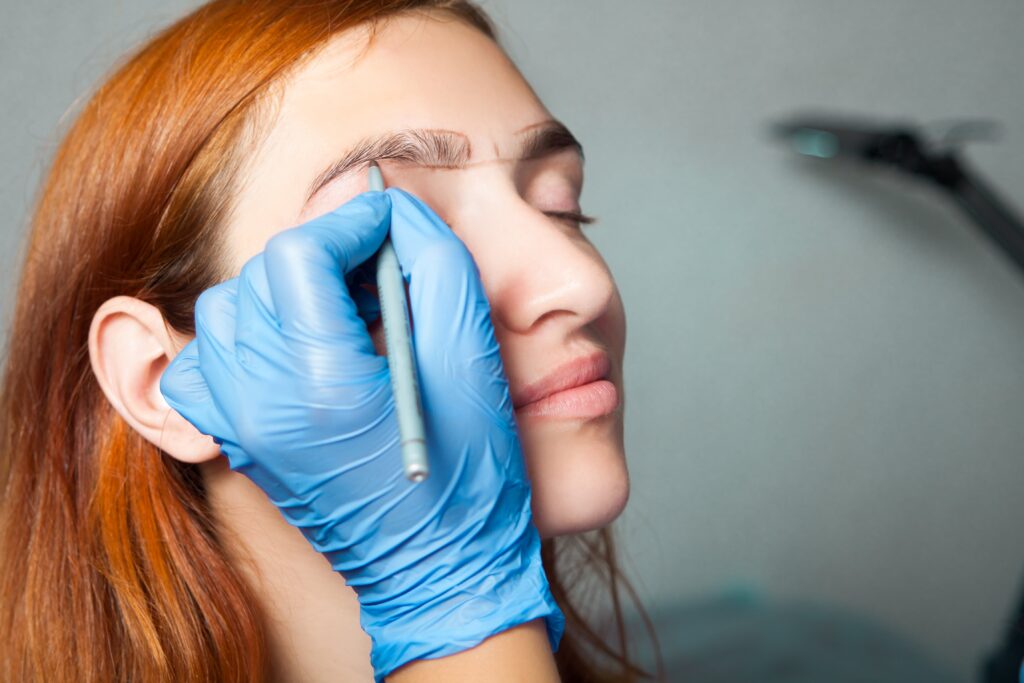
There is no definitive cure for frontal fibrosing hair loss. However, several treatment options are available to manage the condition:
Intralesional Corticosteroid Injections
Corticosteroids, such as triamcinolone injections, can help reduce the inflammation. It can also potentially slow hair loss.
Oral Medication
Hydroxychloroquine can modulate the immune system’s response. It can alleviate the symptoms of FFA.
Topical Treatments
Topical corticosteroids or calcineurin inhibitors like tacrolimus can manage inflammatory symptoms. These ointments can prevent further hair loss.
Hair Transplantation
Hair transplant procedures can offer a permanent solution for frontal fibrosing hair loss. Follicular unit extraction (FUE) or direct hair implantation (DHI) are excellent options for permanent hair restoration. It can help restore hair in the affected areas. You can visit Cosmedica Clinic to see Dr. Levent Acar’s hair transplant results.
Conclusion
Once hair follicles are destroyed, the scarring process can be irreversible. Early intervention is crucial in managing the side effects of frontal fibrosing alopecia. Regular follow-up and monitoring are essential for optimal treatment outcomes.
If you are experiencing hair loss, consult a hair loss specialist. They can provide an accurate diagnosis and an appropriate individualized treatment plan. Feel free to explore your options and take the first step towards addressing this condition.